AI Wrote the Report, So Why Am I Still Working Late?
The draft written by AI was fast.
But the work wasn't finished.
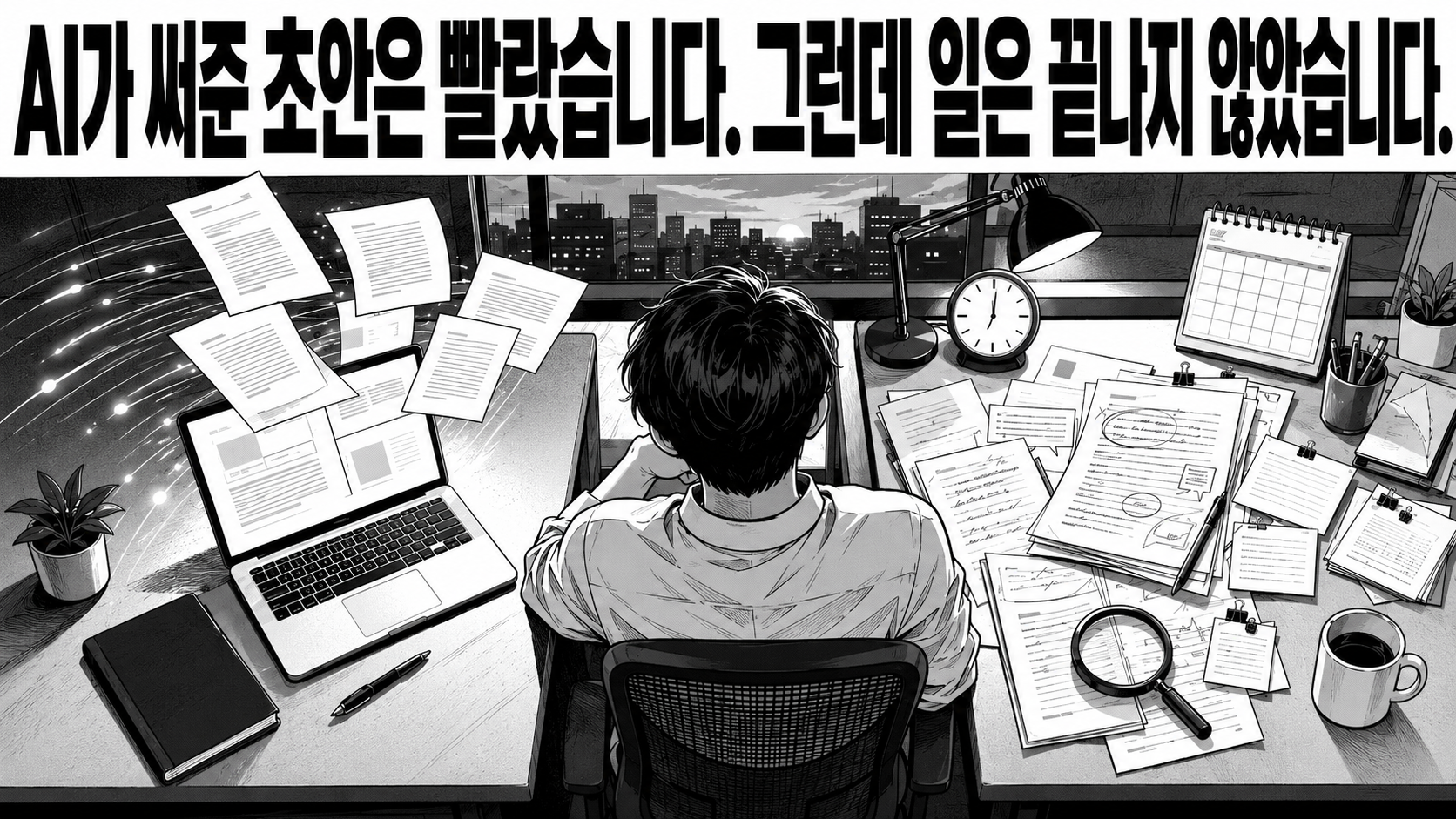
The time spent writing the first paragraph of a report decreased. Meeting minutes were organized, and drafts of customer emails were quickly generated. However, many people reported that their quitting time hadn't significantly changed. This is because time is still needed to read AI-generated results, verify numbers, adjust tone, and re-align with what supervisors or clients want.
It's difficult to view this problem as simply 'AI being subpar.' It's closer to the idea that some of the work AI eliminated has shifted into other forms of work. While the time spent producing sentences decreases, the time to judge if those sentences are correct, align them with organizational context, and take responsibility for them still remains with humans.
The core point is this:
AI might reduce drafting time, but it could increase time spent on review, coordination, and accountability.

Related Evidence · Microsoft Research · Carnegie Mellon University — Research reporting actual review and oversight activities during generative AI use
Where does 'editing fatigue' come from?
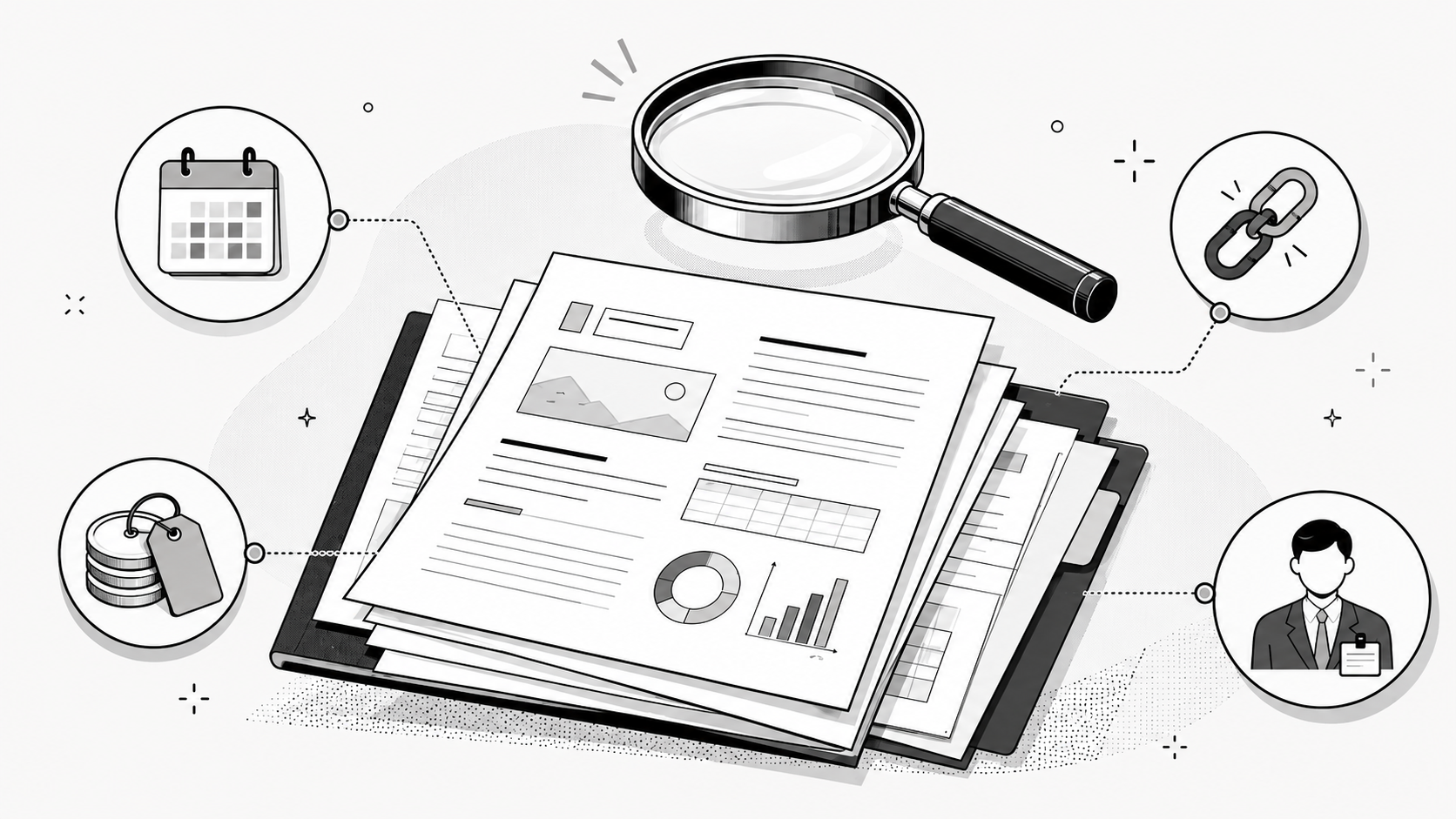
First is verification. The more plausible a sentence, the more careful one must be. Information that causes immediate problems if wrong, such as names, dates, prices, sources, or contract terms, ultimately needs to be re-checked. A single verification is brief, but if scattered throughout an entire report, it accumulates.

Second is aligning with context. AI can create 'plausible-looking drafts,' but it doesn't automatically know our team leader's preferred phrasing, relationships with clients, or what expressions to avoid at the company. Consequently, even after a result is generated, there are sections where one thinks, 'I need to rewrite this part myself.'
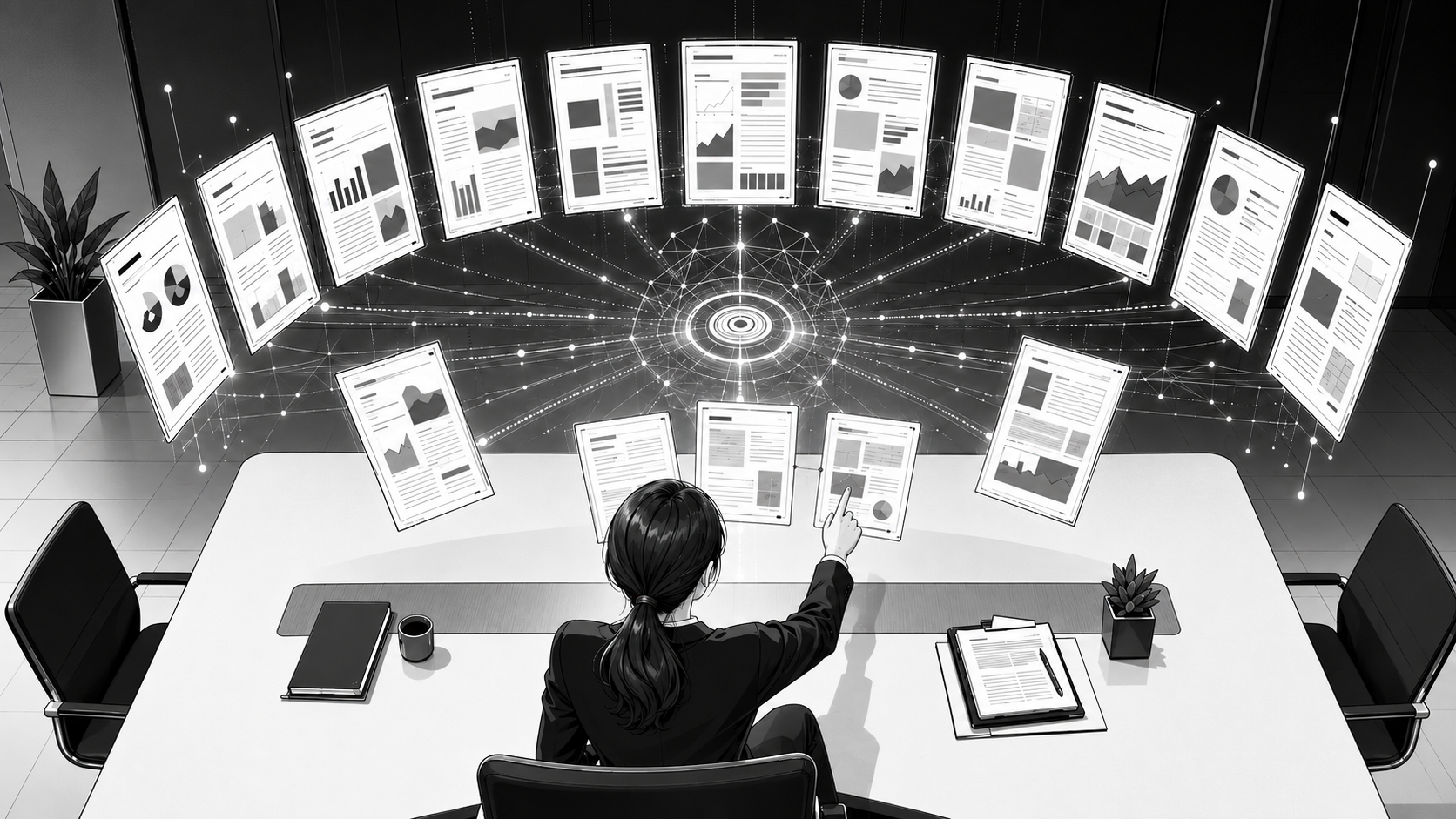
Third is expectations. When phrases like 'Can't AI do it quickly?' emerge, the time saved is converted not into leisure but into more deliverables. As drafting becomes faster, the number of report versions increases, as do options and review requests.
Lastly, there's accountability. Emails sent externally, meeting minutes containing decisions, or documents with amounts or schedules go out under a person's name, even if AI drafted them. This is why it's difficult to casually skip final verification.
Related Evidence · Microsoft Research — Analysis of real-world use cases requiring re-verification, editing, and redirection of conversations
The cost of AI slop isn't 'sloppiness' but transferred review burden
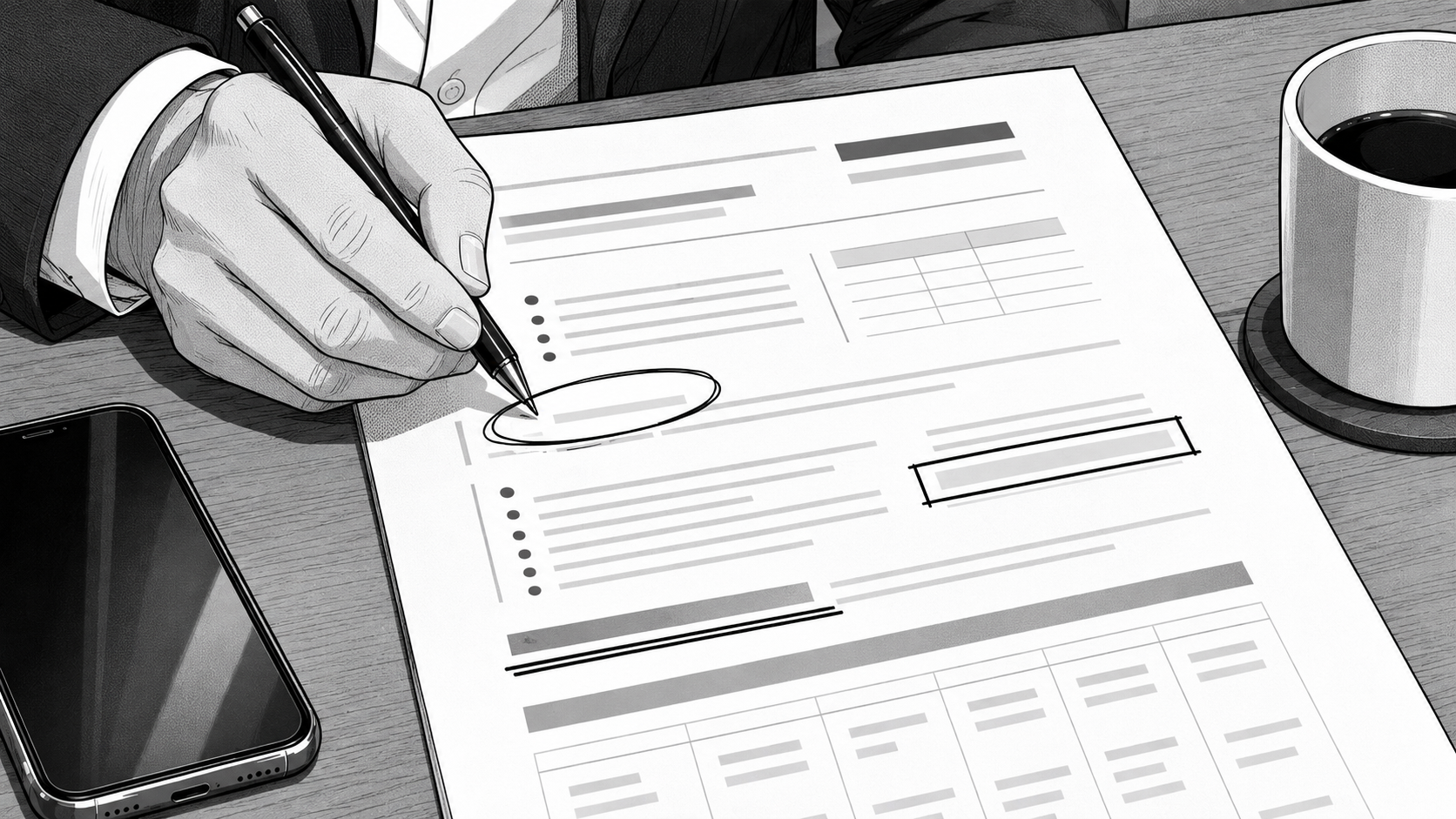
Nowadays, unreviewed, low-quality AI-generated content is sometimes called 'AI slop.' 'Slop' originally refers to food waste or refuse in English. In a workplace context, it needs to be viewed more specifically: it's a result that appears plausible on the surface but lacks context, critical judgment, or factual verification, requiring the recipient to rethink and revise it.
This phenomenon is sometimes called 'workslop' in a business context. The core isn't that the output is poorly presented. The sender feels they've 'created a draft,' but the recipient is left to interpret the intent, verify sources, and rewrite. The time AI was thought to have saved effectively shifts to another person's revision time within the team.
In an online survey conducted by BetterUp Labs and Stanford Social Media Lab in September 2025, involving 1,150 full-time office workers in the US, 40% of respondents reported receiving such workslop within the past month. However, this figure is based on a self-reported survey of a specific country and job group and cannot be generalized as the average for typical office workers. The takeaway signal here, more than the buzzword itself, is that if quality standards and final accountability for AI results are not agreed upon, the burden of revision can be transferred to colleagues.
BetterUp Labs — An in-house research organization of BetterUp, a US company that sells AI coaching and leadership training software to businesses.
Stanford Social Media Lab — A Stanford University lab that researches human communication mediated by social media and AI from psychological and communication perspectives.
The fastest way to reduce AI slop isn't to 'stop using AI.'
It's about including with the output: who can verify it within 5 minutes, what needs to be checked, and what information AI should not estimate, before sending it.
Related Evidence · BetterUp Labs · Stanford Social Media Lab — Workslop Research · Original Article (Harvard Business Review, September 2025)
Research also shows the burden of 'oversight' rather than 'production'
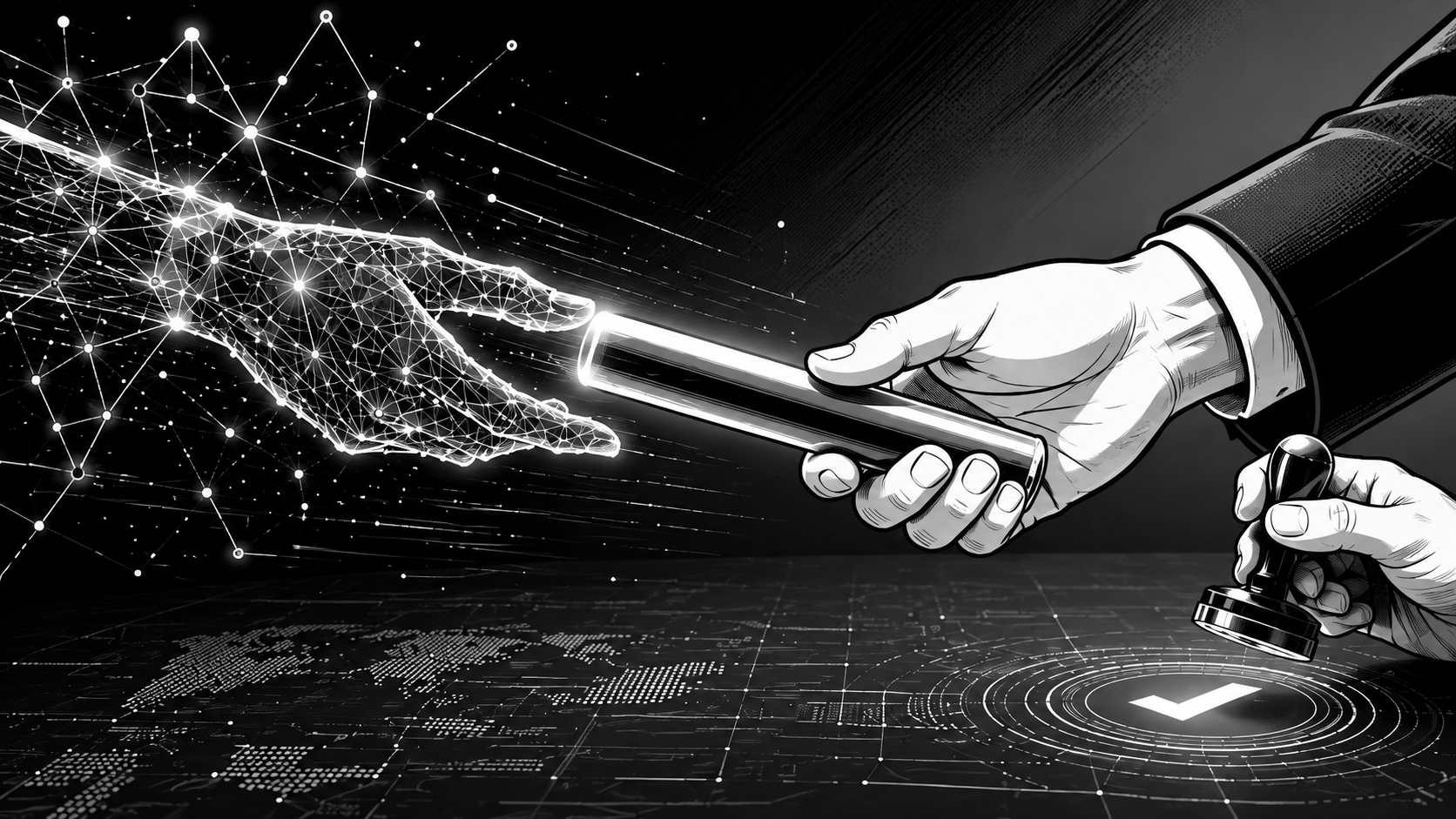
In a study analyzing 936 real-world generative AI use cases collected from 319 knowledge workers by researchers at Microsoft and Carnegie Mellon University, approximately 60% of cases reported actual critical thinking. This typically involved re-checking incorrect answers, editing outputs, and correcting the direction of conversations. The burden at the evaluation and review stages was particularly prominent. However, this figure aggregates self-reported data from participants, meaning it reflects perceived time rather than actually measured time.
This doesn't mean AI can't reduce work. For tasks with clear criteria and quick verification, such as initial drafts of text, frameworks for repetitive answers, or classifying lengthy documents, speed and quality can indeed improve. The problem arises when one expects these benefits to apply in the same way to all tasks.
Similar warnings have emerged in development work. A 2025 experiment by the US non-profit research organization METR went like this: experienced developers were given real tasks, with half allowed to use AI tools and half not, then the time taken was compared (randomized controlled study). Experienced developers working on familiar open-source projects actually took longer when using AI tools for real tasks. This study involved 16 developers and 246 tasks. However, METR later stated that they are redesigning the experiment due to increased bias in participant recruitment and task selection in subsequent experiments. This research is less of a conclusion and more of a signal to re-examine the assumption that 'using a tool will naturally make things faster.'
※ The context of numbers and cases varies. It's advisable not to generalize the results of one study as the average effect across all job functions. The point of this article is not to claim that AI has no effect, but that review costs must also be factored in.
Source · Microsoft Research Original Study · METR Developer Productivity Study · METR Subsequent Design Change Announcement
What professionals need isn't 'how to prompt better,' but 'how much to delegate.'
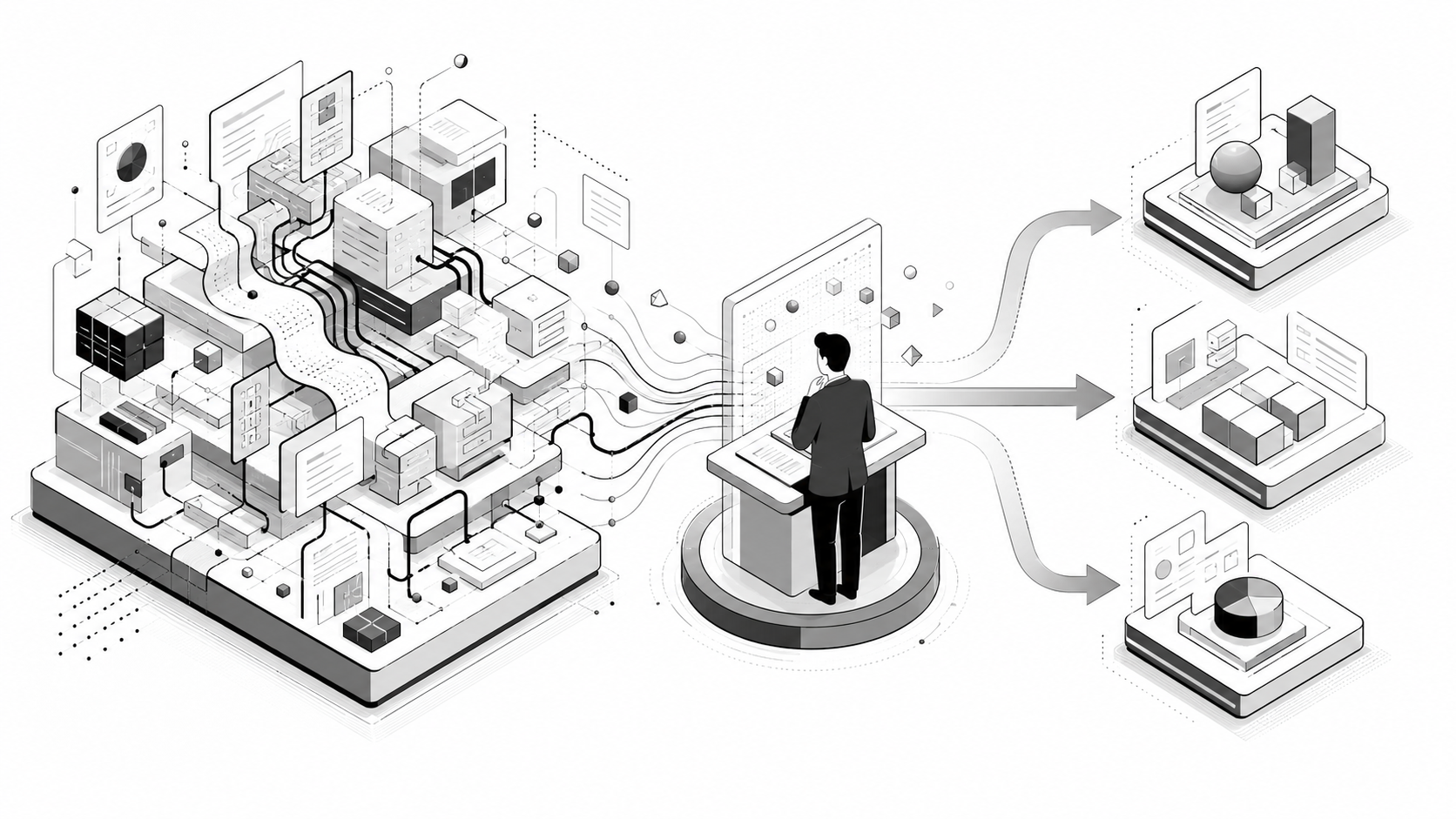
When delegating tasks to AI, the following questions are more useful than the task name: Is the cost high if it's wrong? Can it be verified within 5 minutes? Can it be undone? Does it involve sensitive information? Can I judge if the result is good?
Drafts, classification, and optionscan be actively delegated. However, do not submit the results as-is.
Numbers, dates, responsible parties, sources, and external commitmentsshould be kept as separate verification items.
If review time starts to exceed half of the direct writing time, it's better to organize it yourself rather than repeatedly regenerating.
Instead of asking for a complete version at once, breaking it down into smaller units like 'structure → core arguments → refining sentences' reduces the scope of revisions.
At the team level, it's better to look at 'how much output can be used without further human intervention' rather than 'how much AI is used.' This is because an increase in usage alone can also increase editing fatigue.
Practical Principles Reference · OpenAI — Evaluation best practices · Anthropic — Building Effective AI Agents
AI drafts, we finish the work

Revising the first sentence generated by AI isn't necessarily a waste. However, if that review becomes invisible additional work, fatigue increases. One should not only count the speed of drafting but also consider the total time, including verification, coordination, and accountability.
Effective AI utilization doesn't end with producing more output. It must extend to reducing the energy humans need for final judgment. Only then can reports be faster, and quitting time might also be a bit earlier.
Sources and References
• Microsoft Research · Carnegie Mellon University, The Impact of Generative AI on Critical Thinking (CHI 2025). Self-reported survey on 936 real-world use cases from 319 knowledge workers
• BetterUp Labs, Workslop: The Hidden Cost of AI-Generated Busywork (Online survey of 1,150 full-time US office workers in September 2025 with Stanford Social Media Lab. Interpret with caution as it is internal research)
• METR, Measuring the Impact of Early-2025 AI on Experienced Open-Source Developer Productivity (Study of a specific development environment) and February 2026 Experiment Design Change Announcement