The App People Found During an Internet Outage
The app people found in a city without internet

Why did Bitchat suddenly emerge in India, and why did the government target code repositories instead of the app itself?
(Bitchat: An app created by Twitter founder Jack Dorsey that allows nearby phones to exchange messages via Bluetooth even when the internet is down)
The government attempted to block the app's code. Three repositories, with a three-hour deadline. However, that code remains in the same place today. And people in India started looking for this app even before that.
The story surrounding Bitchat is easily summarized by a sensational single sentence: 'Downloads surged 32-fold after the block.' However, when the dates of the published figures are laid out, that statement is incorrect in two places. There was no block yet on July 19th, when the 32-fold increase was observed, and the number forming the basis of that 32-fold multiplier was barely a dozen per day.
The block didn't initially create demand for Bitchat. It was more like an accelerator that propelled an already emerging demand to a much larger scale.
Demand Came Before the Block
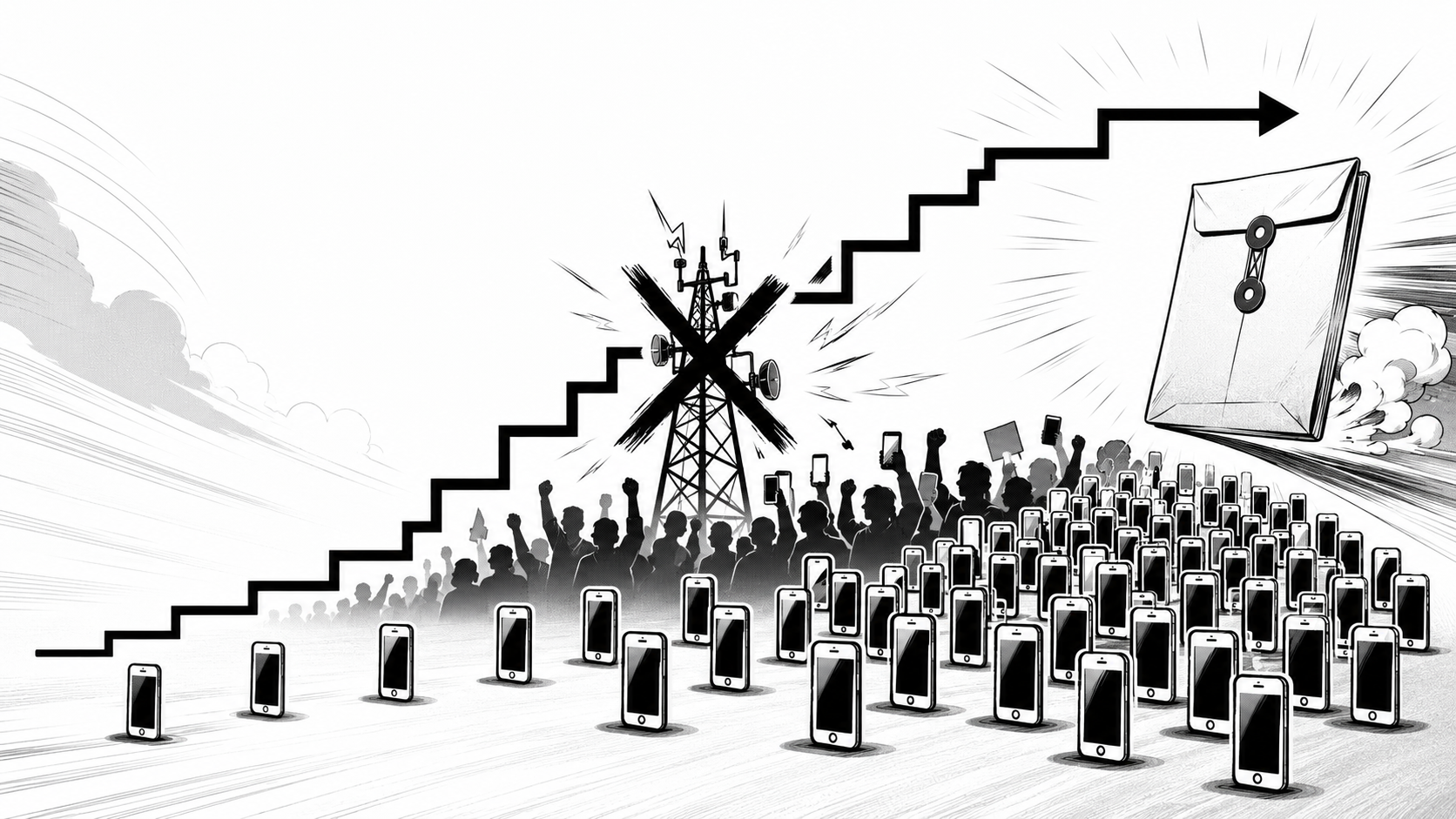
We need to clarify the timeline first. On July 18th, activist Sonam Wangchuk (a prominent Indian environmental and education activist), who had been on a hunger strike for 20 days, was forcibly taken to a hospital by plainclothes police. Protests intensified, and ahead of a planned parliamentary march on the 20th, a message circulated in organizing group chats: 'Police used network jammers (devices that disrupt mobile signals to block communication) last time as well. Download apps like Briar or Bitchat in advance.'
The next day, July 19th, downloads in India reached 291. This was 32 times the previous day's figure. At this point, there were no reports of internet outages in Delhi. People didn't search for it after the internet went down; they downloaded it in advance, knowing it would be cut off.
The block came the next day. On July 20th, the day of the march, mobile internet in the vicinity of Jantar Mantar (a prominent protest site in Delhi where gatherings are permitted) was cut off for nearly twelve hours, and the shape of the download curve changed. 946 downloads, 8,759, 21,508, and then 28,574 on the 23rd. Three-digit numbers appeared before the block, and five-digit numbers after. Demand emerged before the block, and its scale was established after the block.
From July 17th to 23rd, India accounted for approximately 85% of Bitchat's global downloads. For the preceding 30 days, its share was about 1%. However, these figures are estimates from different app analytics firms and should not be treated as government statistics.
The Government Targeted Code Repositories, Not the Entire App
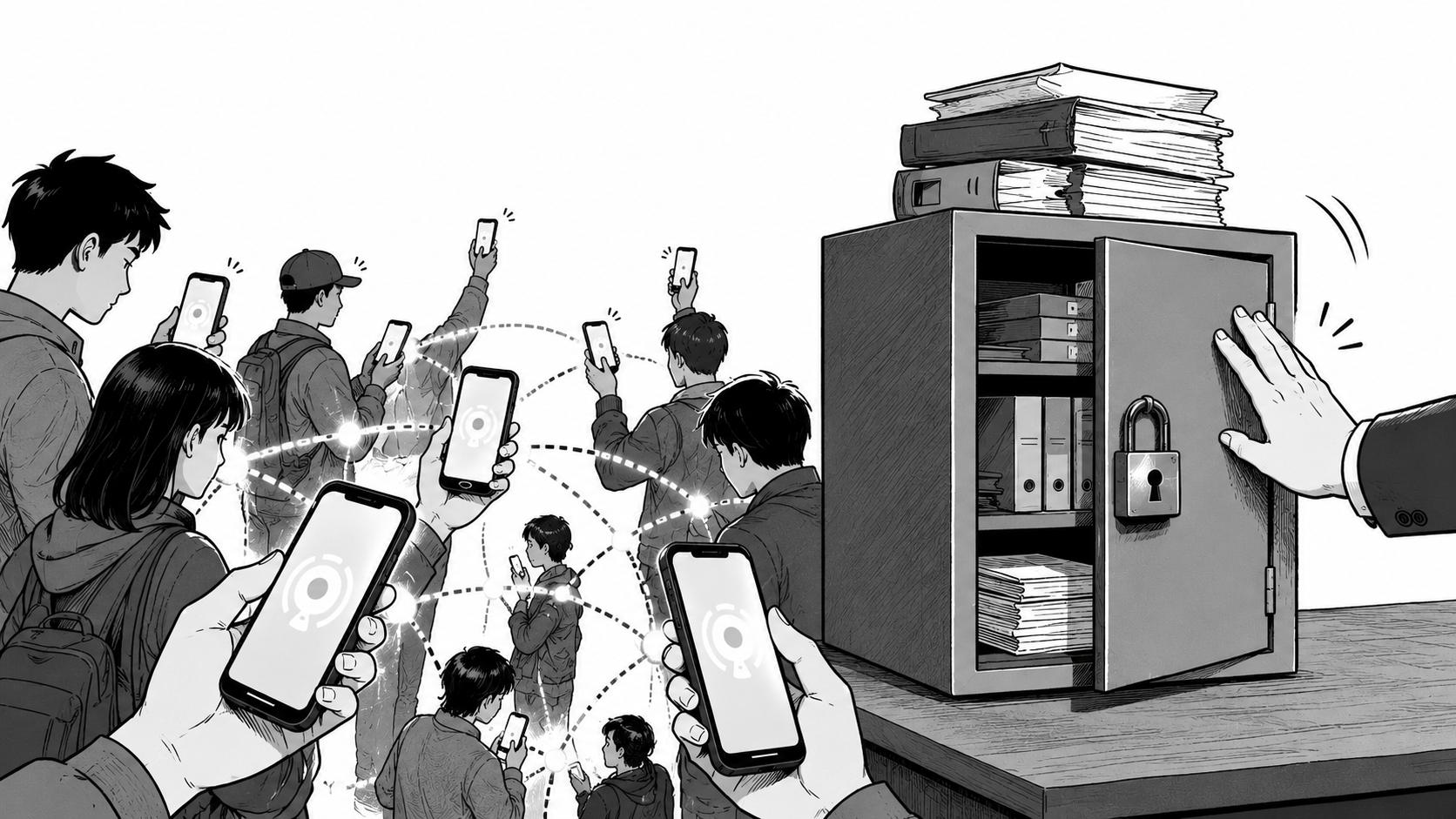
At 11:16 PM on July 23rd, a notice from the Indian Cybercrime Coordination Centre (I4C) under the Ministry of Home Affairs was sent to GitHub. It demanded the deletion of three Bitchat-related repositories within three hours. The grounds cited were Section 79(3)(b) of the Information Technology Act and Rule 3(1)(d) of the IT Rules.
Two things need to be distinguished here. First, this is not 'India nationally blocked the app.' The original government notification has not been publicly confirmed, GitHub has not confirmed receipt of the notice, and the repositories in question do not appear in GitHub's public government request records. Second, the demand was not fulfilled. Even after the deadline, the three repositories remained accessible in India.
The technical difference is even more fundamental. Blocking access to repositories and stopping local communication for already installed apps are issues on different levels. For open-source projects, there remain paths such as already distributed code, forks (separately maintained copies), mirrors (replicated copies), and various app marketplaces. In this case, the action against the code repositories failed to prevent its spread; instead, it served as an opportunity to publicize the project much more widely. In the same week, the Ministry of Home Affairs issued six internet suspension orders within a 1.5 km radius of Jantar Mantar, and on July 25th, the Minister of Education resigned.
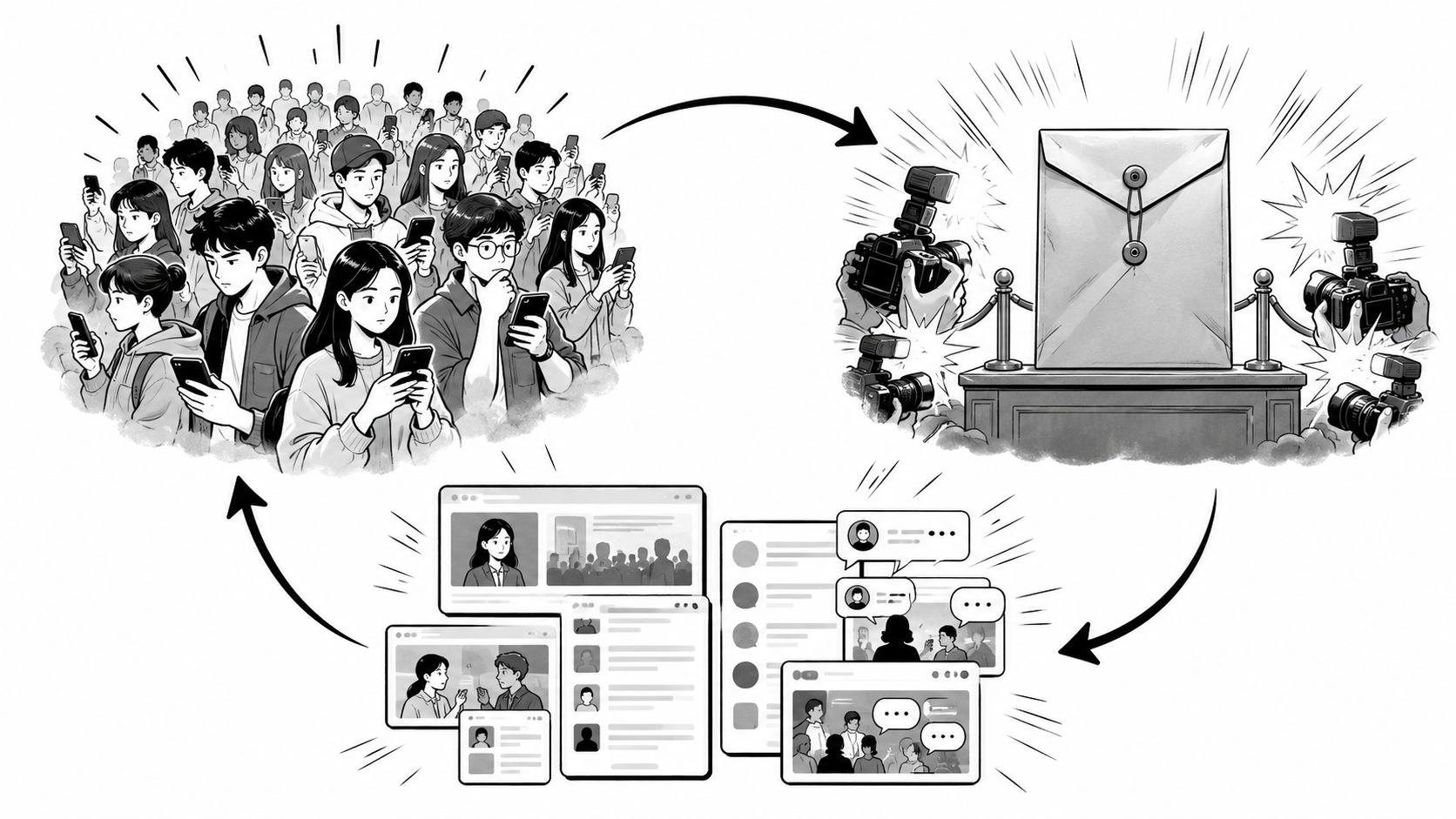
What Exactly Does 'Messenger Without Internet' Mean?
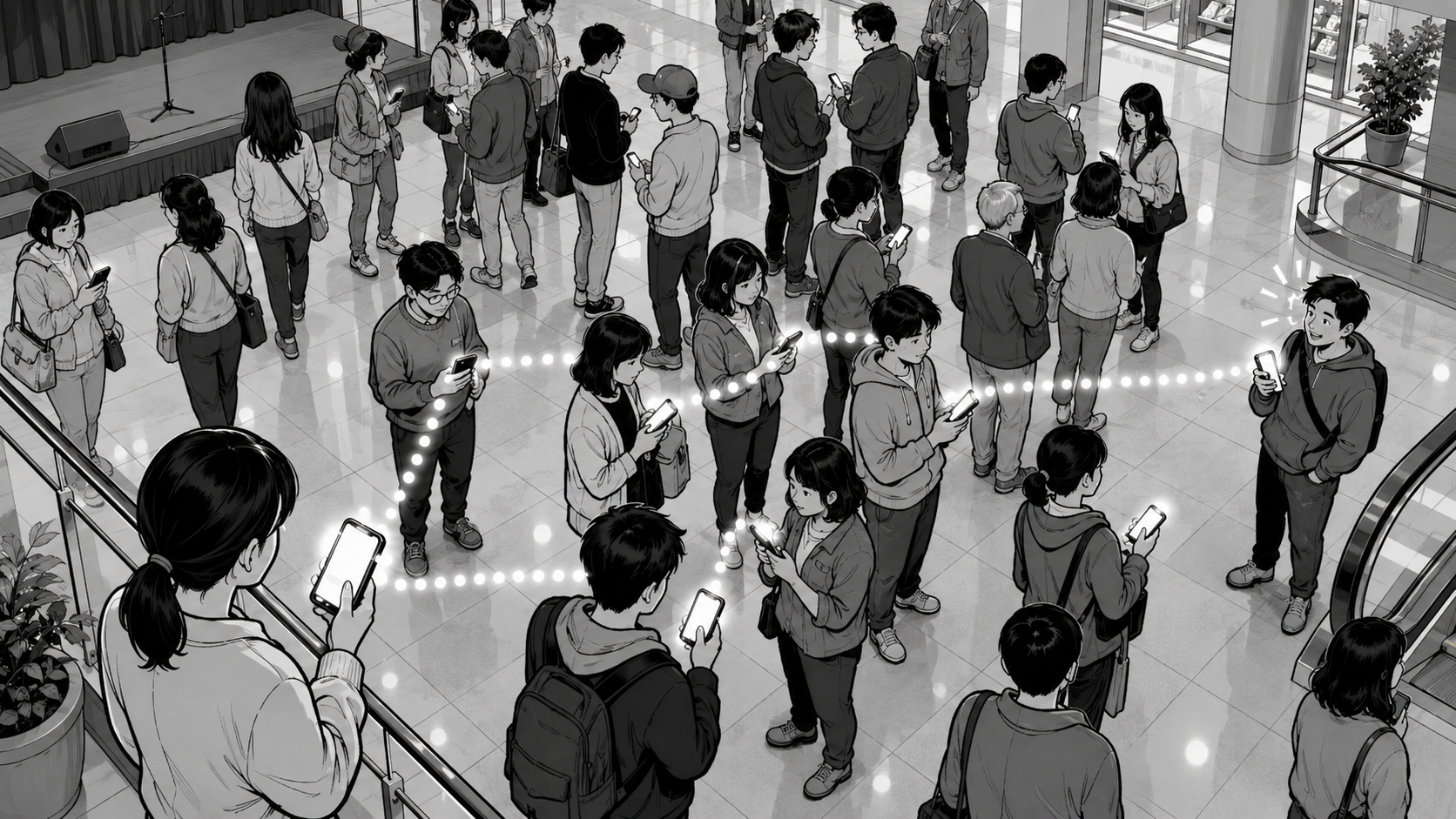
Bitchat connects nearby devices via Bluetooth, and if a message needs to go further, it hops through nearby phones up to seven times. But what if no one is nearby? The message is put into an 'envelope' and entrusted to three nearby devices. If a person carrying an envelope encounters the recipient while moving, it's delivered then. If people carrying envelopes encounter each other, they split the remaining 'copy budget' in half. It's not one person carrying a letter, but rather a letter spreading through a moving crowd.
Something often omitted here is that, according to public documentation, Bitchat is not a purely offline tool; it's a hybrid that also uses Nostr relays (a public network of servers that relay messages without a central company) when the internet is available. Bluetooth first, then Nostr if that fails, and then the 'envelope' if both fail.
Therefore, 'messages can continue without internet in environments with sufficient nearby devices' is more accurate than 'sends anywhere without internet.'
Censorship Resistance and User Safety Are Not the Same
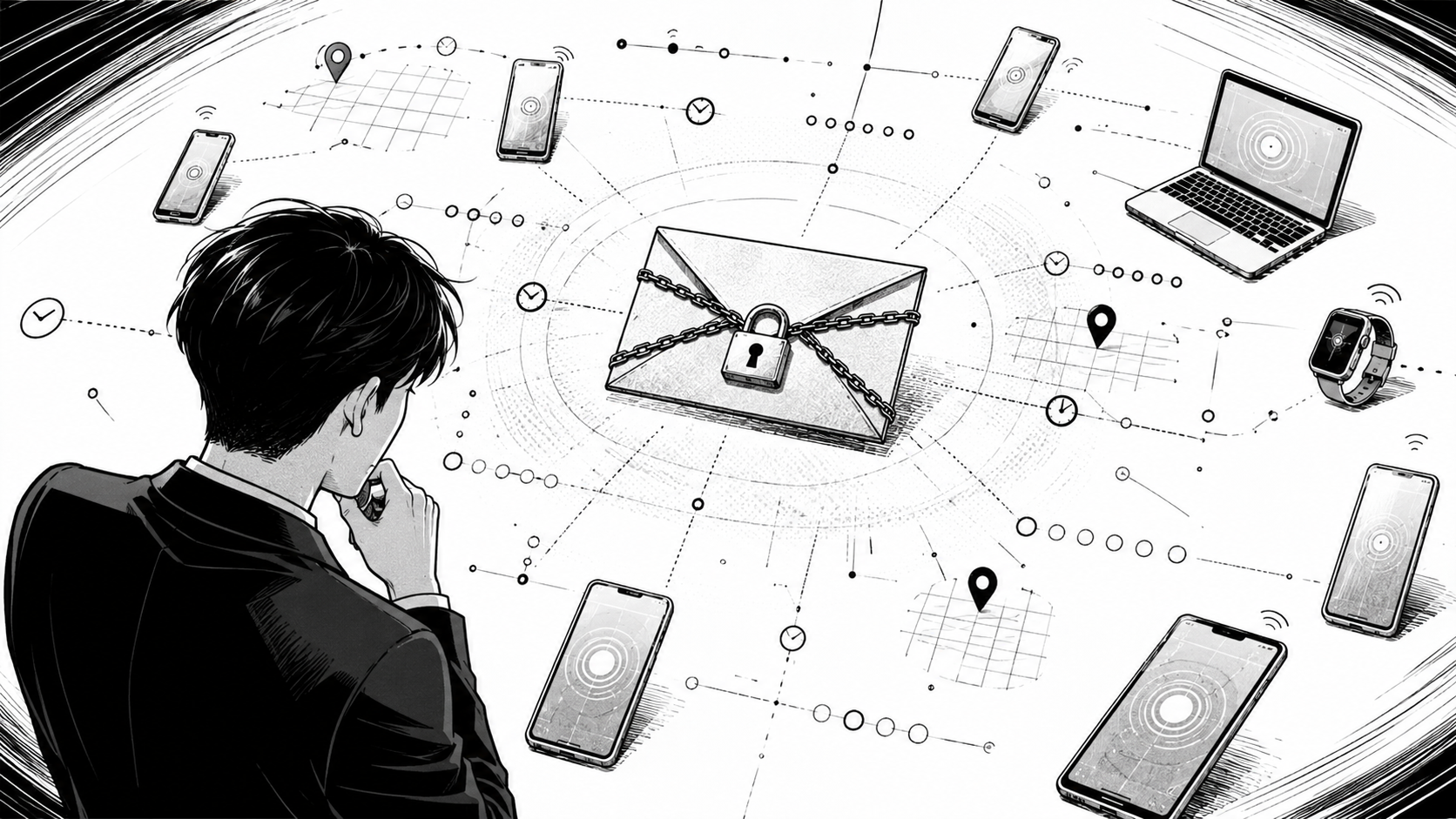
The features of having no central server and no phone number sound appealing. However, anonymity does not automatically follow. This is not a critic's claim but something the project itself states in its documentation.
The public whitepaper identifies metadata as the weakest part of this design. The sender ID carried in packets is derived from a key that is never replaced, remaining the same even after reinstallation. The periodic notifications sent by a device include up to ten IDs of adjacent devices, meaning a single eavesdropping device can obtain the entire proximity graph of that location. The security policy document goes a step further, declaring such exposure entirely outside the scope of vulnerability reporting. This means it's information that is publicly exposed by design.
Who was present at that location, and which devices moved together, reveals relationships in a completely different way than the message content. This is why 'no server' and 'unobservable' should not be used interchangeably.
Additionally, for a time, this project included a warning: 'This project has not undergone external security review, so do not use it for sensitive purposes.' This was removed in January 2026, with no replacement text. Nor is there any record of it having undergone an audit.
So, When Would It Be Useful in Korea?
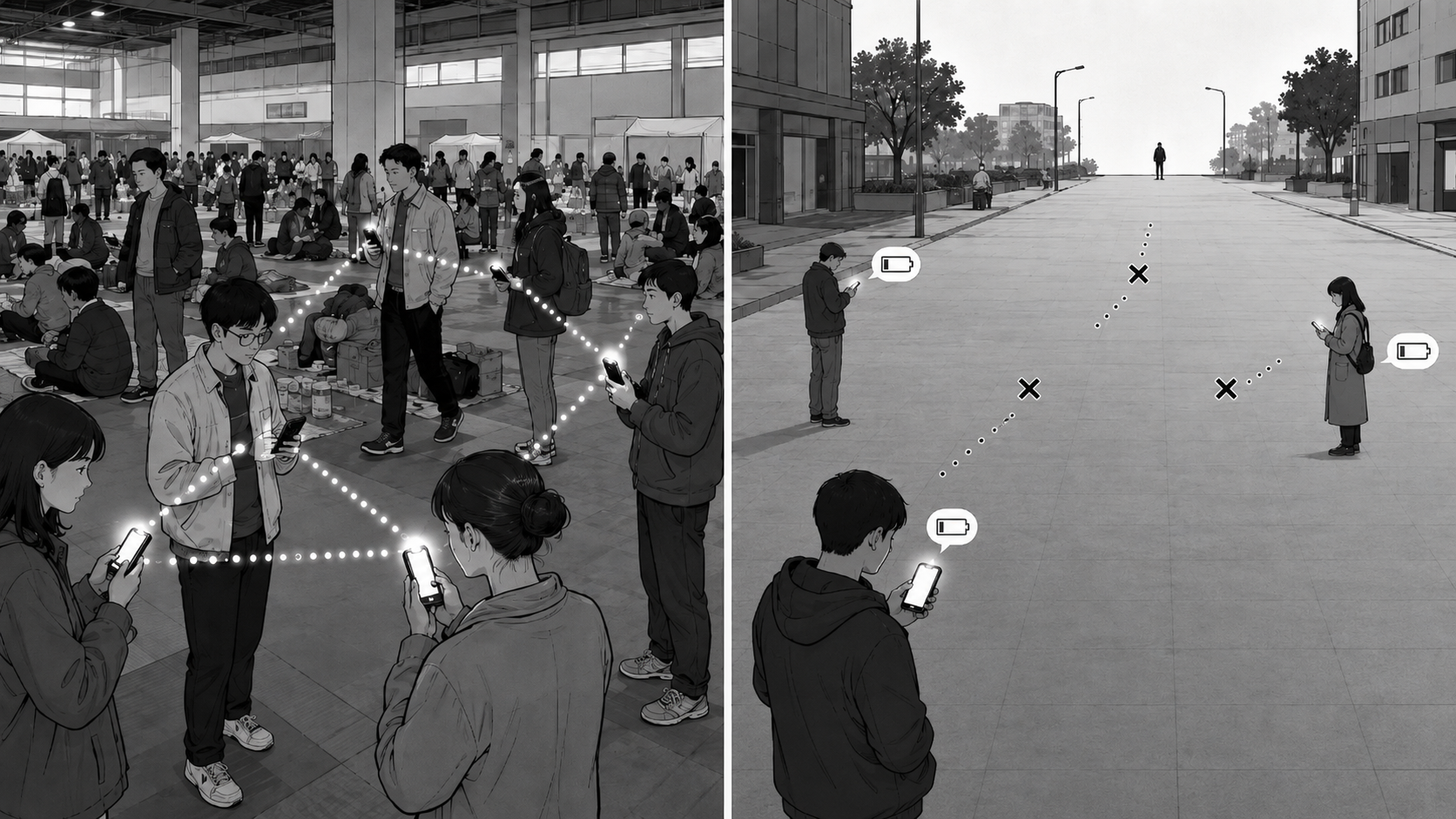
It could serve as an auxiliary tool in environments with a high density of nearby people, such as during the initial stages of a disaster, at large event venues, or in places where communication is overloaded. Conversely, if you need to reliably connect with contacts scattered across a wide area, or if secure delivery and identity verification are crucial, it would be difficult to replace existing communication methods.
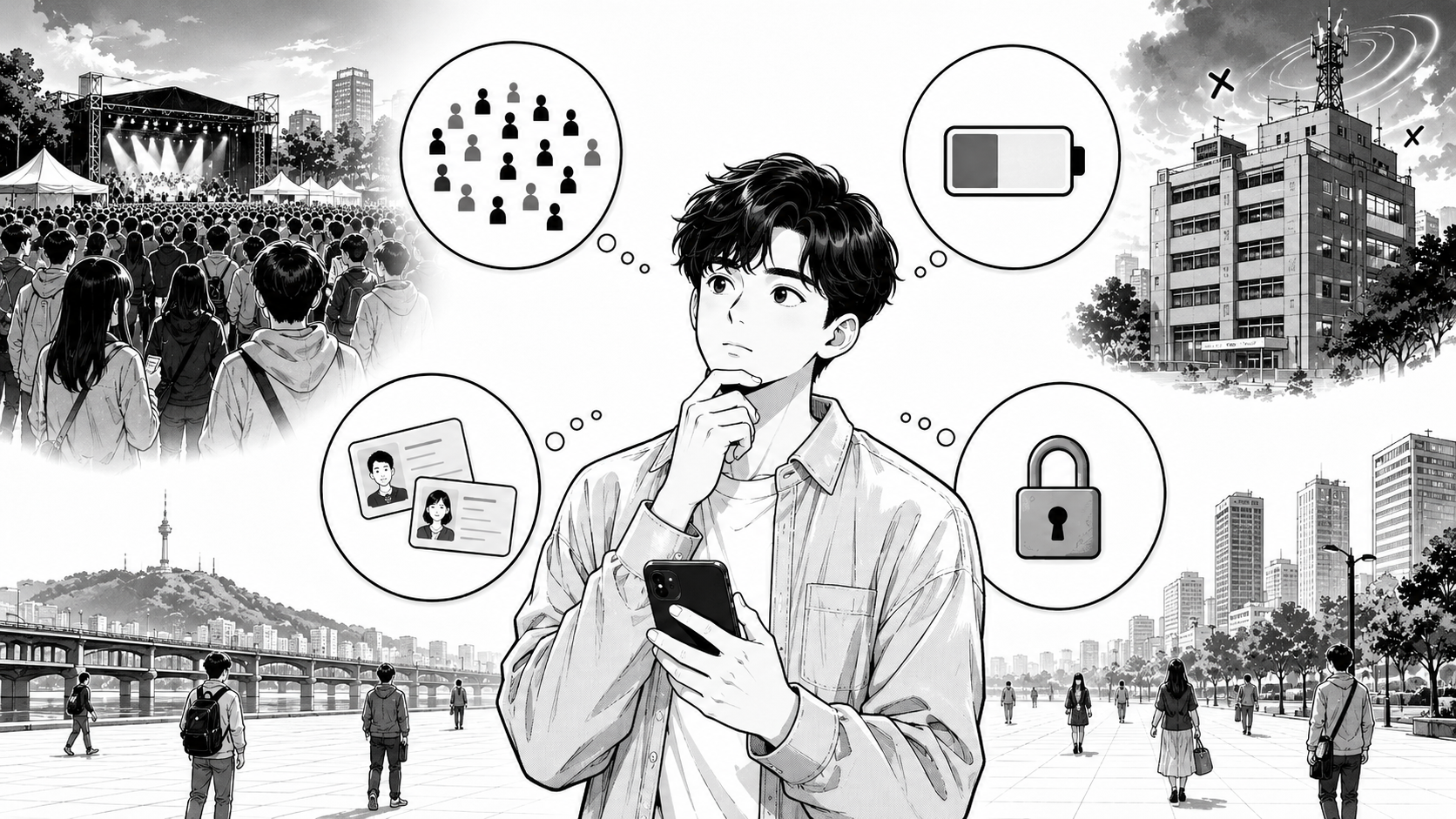
The criteria for judgment narrow down to three:
Whether the goal is city-wide connectivity or brief communication between nearby people
Whether nearby contacts also have the same app open
And whether the fact of being present at that location itself is sensitive, not just the message content
Questions Left by This Incident

Bitchat is also an interesting news story as 'an app that became more famous after the government tried to block it.' Indeed, the three-hour deletion request was not fulfilled, the repositories remained, and downloads increased further afterward.
However, the more important questions follow: What minimal means of communication do people prepare in places where internet restrictions are recurring? And when describing such tools, how accurately can one distinguish between freedom, censorship resistance, privacy, and security?
What India's download curve showed was that people already knew the answer. They didn't search for a solution after the internet was cut off; they downloaded it in advance, knowing it would be cut off.
Technology that makes connections difficult to sever is important. However, understanding the limitations of that technology is the first step to truly connecting safely.