Ultra-lightweight AR smart glasses under 80g, featuring the discreet Incognito AR lens and Qualcomm AR1 processor, presenting a next-generation enterprise eyewear solution for industrial AI/AR support.
HonoreeXR & Spatial ComputingAR 글래스웨어러블 디바이스증강 현실엔터프라이즈 솔루션산업용 AR핸즈프리 컴퓨팅
Vuzix Ultralite Pro Enterprise Platform
1
0
Vuzix corporation
One-Line Product Definition
Problem Definition
Existing smart glasses have issues such as displays that are too noticeable, causing reluctance to wear them, or being too heavy for extended use. Even when used for work, they lack practicality due to insufficient screen brightness, limited voice/video input functions, and inadequate networking.
Vuzix aims to solve these problems by developing glasses with a user-accepted design and essential AR features.
Key Differentiators
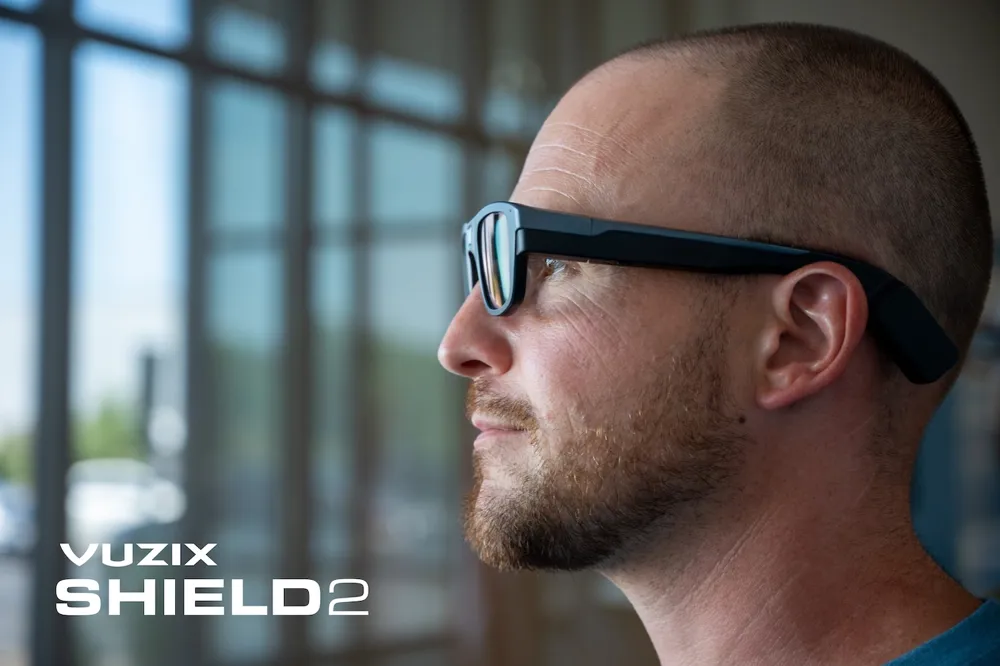
This product is designed to be indistinguishable from regular glasses in appearance by applying Incognito™ full-color waveguides that allow almost no front light transmission to both eyes. The lightweight magnesium frame (approximately 80g) and balanced battery placement improve comfort.
Internally, it has a front camera, speaker, and microphone, enabling hands-free AI voice control, real-time translation, and support for maps and remote control. Based on the Qualcomm AR1 processor, it provides a high-definition front display and supports 3D video with a 30-degree field of view.
In other words, the key differentiators compared to other products are the nearly invisible AR functionality and the flexible design suitable for everyday wear.
Key Adopters
Primarily for the B2B (enterprise, public sector, defense) market. It is used by workers in manufacturing and logistics sites for reference or adopted in military and medical fields as a means of remote support and work efficiency. It also serves as a reference platform for OEM (manufacturer) sales/production based on the glasses platform.
Scalability
Materials such as OLED waveguides, AR processors, and batteries are global components, making them compatible in various countries. Although primarily for enterprise use, its lightweight and stylish design make it potentially applicable in the commercial market (C2C).
However, battery/safety certifications and UI improvements for general public distribution remain challenges. The platform itself is modularized, providing scalability for OEMs and software developers.
Judges' Evaluation
Recognized for both design and technology with the CES XR award. The screen quality and performance are rated as top-tier in the industry, and the collaboration with Qualcomm and Avegant to secure manufacturability is noteworthy.
Market expectations are cautious, following past smart glass trends. While it is recognized for its value in the industrial market, it may be undervalued at the consumer level due to limited use cases (low usage rate).
Current Status"Release stage close to a finished product", the product itself is ready for commercial use. Whether it can pioneer the consumer market is a key point to watch in the future.
Analyst Insights
🔥 High Market Potential (The enterprise headset market is growing, and demand for AR glasses is expected to continue expanding)
The award list data is based on the official CES 2026 website, and detailed analysis content is produced by USLab.ai. For content modification requests or inquiries, please contact contact@uslab.ai. Free to use with source attribution (USLab.ai) (CC BY)
댓글 (0)
댓글을 불러오는 중...