A Bust? The Unexpected Twist of CES 2026
Four Trends Revisited with 452 Innovation Award Data Points
To be honest,CES 2026 was a year with a weak “memorable punch.”It was.
There weren't many scenes of new form factors blowing the audience away or everyone simultaneously posting photos of the same product.
But here's an interesting paradox.
The more bland the exhibition, the more the “data-driven person” wins.
(Especially when you have a 'chunk of facts' like 452 Innovation Awards in your hands.)
I created the CES 2026 page.
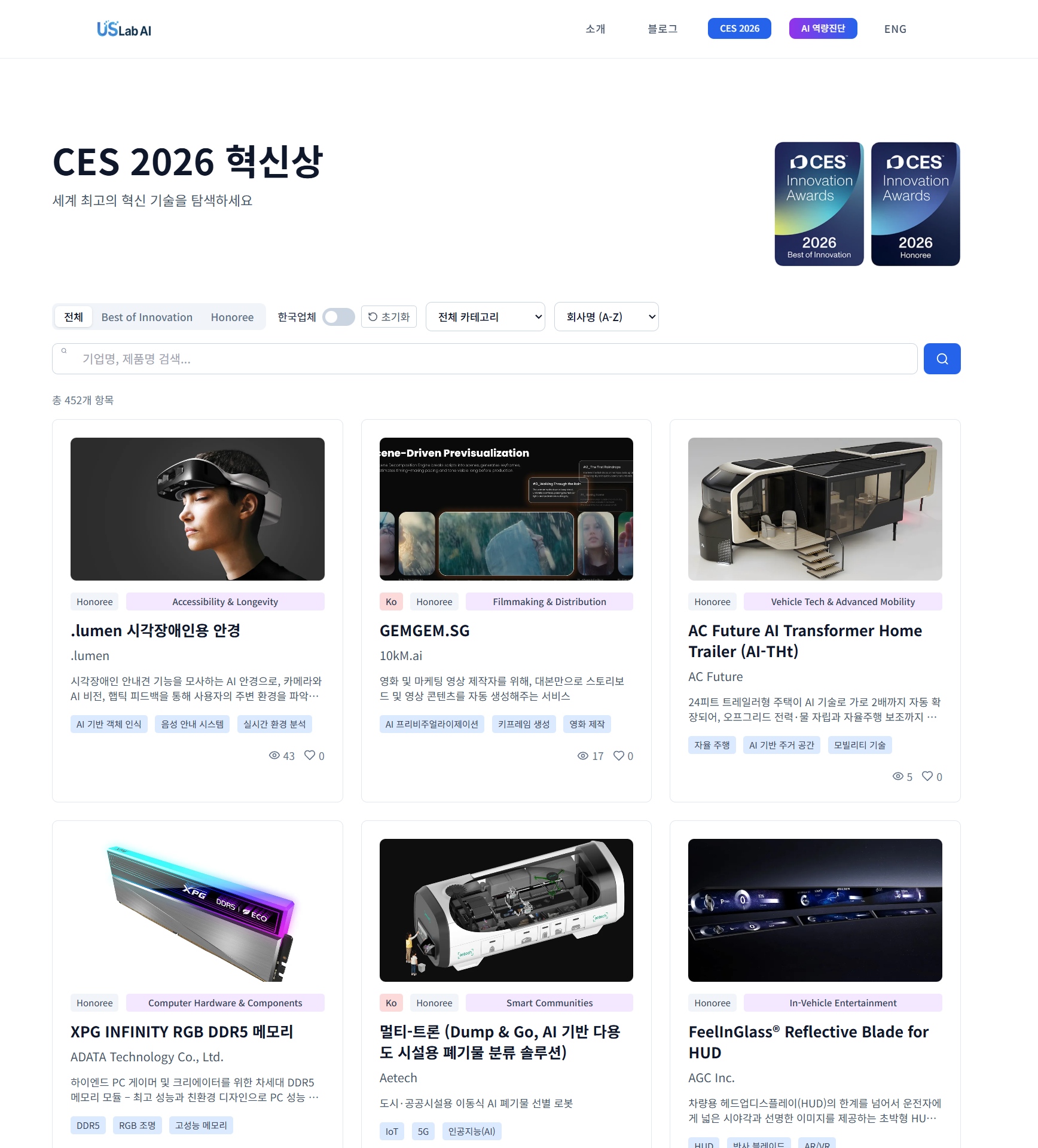
I reread this year's CES not as an 'impression' but asevidence: the product list (452 items),and from then on, the trends started to become visible.
The key is not a grand declaration, butCES 2026 becomes clear when viewed through four lenses (axes)is the message.
10-second summary: 4 axes that explain this year's CES
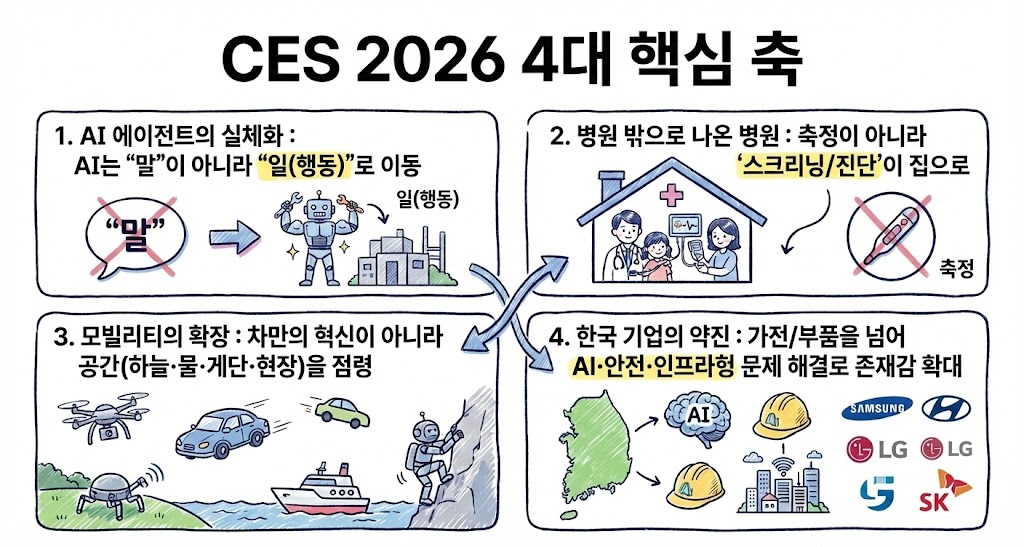
Embodiment of AI Agents: AI moves from “words” to“deeds (actions).”Move
Hospitals Outside the Hospital: 'Screening/Diagnosis' goes home, not just measurement‘Screening/Diagnosis’ is coming home
Expansion of Mobility: Not just car innovation, butoccupying space (sky, water, stairs, field)
Korean Companies' Rapid Growth: Beyond home appliances/components,AI·Safety·Infrastructure-based problem solvingExpanding presence with
1) Embodiment of AI Agents: The main character is not a chatbot, but a 'work loop'
One of the reasons why this CES felt "unremarkable" was
because AI didn't speak as flamboyantly on stage as it used to.
Instead, if you break down the list, AI is clearly moving in this direction.
Perception → Reasoning → Action
Not “conversational AI,” buta loop that completes tasks.Evolving to
1. Vision-based agent that “sees the screen and clicks”
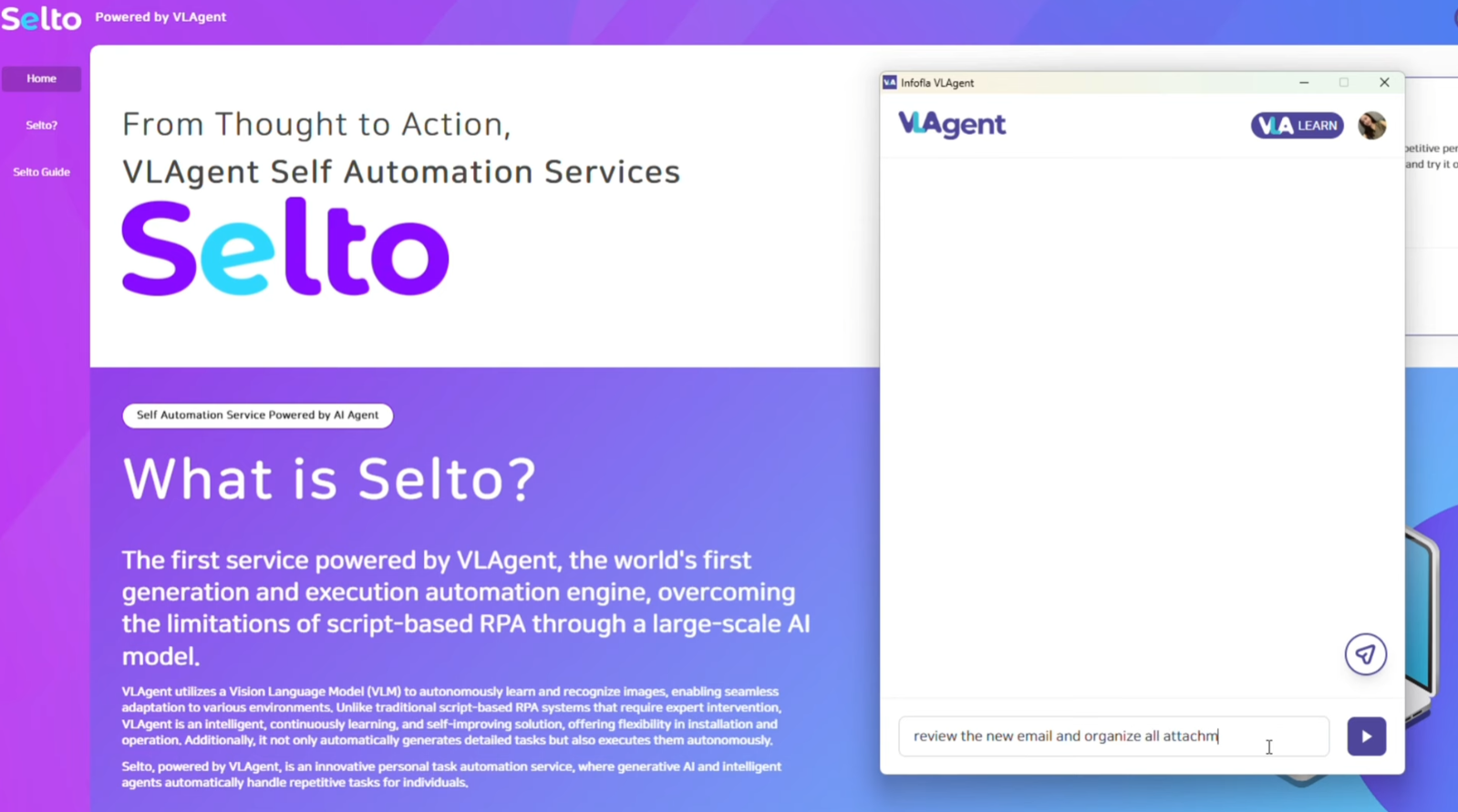
Selto (INFOFLA)is not automation that presses 'fixed button coordinates' like traditional RPA, buta vision-based automation agent that perceives and understands the screen to perform tasks.It's closer to
In other words, even if the UI changes or an exception occurs,a flow designed to 'look at the screen like a person' and process itis the direction.
The reason why this point is important is simple.
In order for AI agents to enter the field, they must ultimatelyeat the screen (UI) first, not the API.in many cases.
(In-house legacy, fragmented SaaS, web-based back office, etc.)
2. Local agent computing that runs “on the desk without the cloud”

NOVA (Mobilint)is introduced as a 'personal AI agent supercomputer',The concept is to run the agent locally without an external PC or cloud.is at the forefront.
This isn't just about being "fast,"
Cost/delay/security/data sovereigntybecause of this, the agentshows the trend of going on-device and local.shows.
3. Home agent that understands and moves according to the situation “without being commanded”
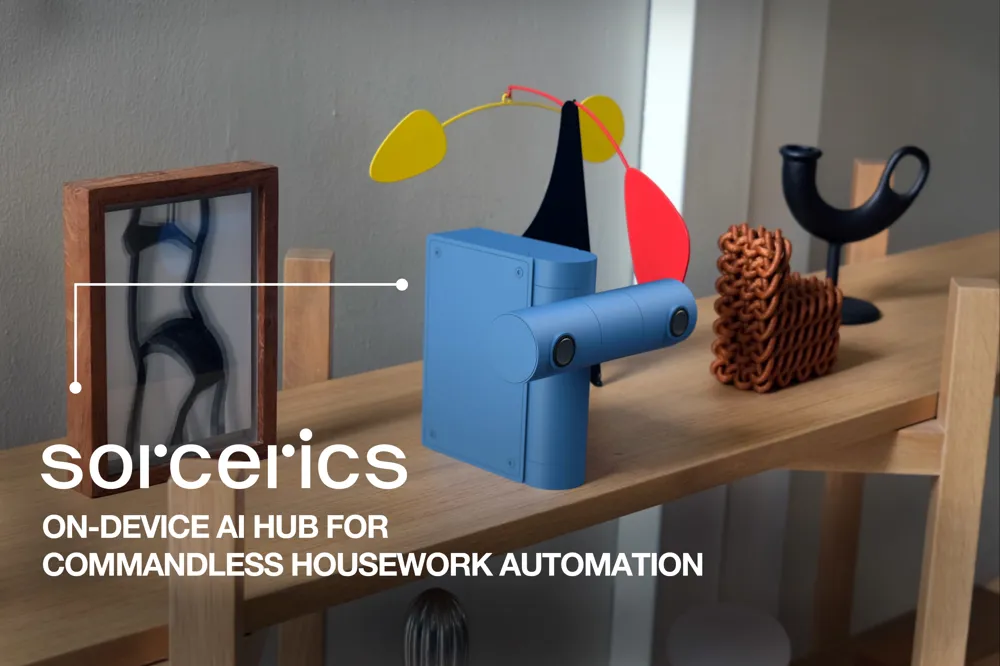
SOL (Sorcerics)focuses on 'context-based automation' that adjusts home appliances by understanding the situation,adjusts home appliances by understanding the situationeven if the user does not give commands one by one in a smart home. In addition, local AIreducing privacy and latency issuesemphasizes.
In other words, rather than “how well AI speaks,”
whether the task is completed without the user being aware of itis changing the evaluation axis.
4. The agent's 'input/output device' also changes (ring/whisper/edge home)
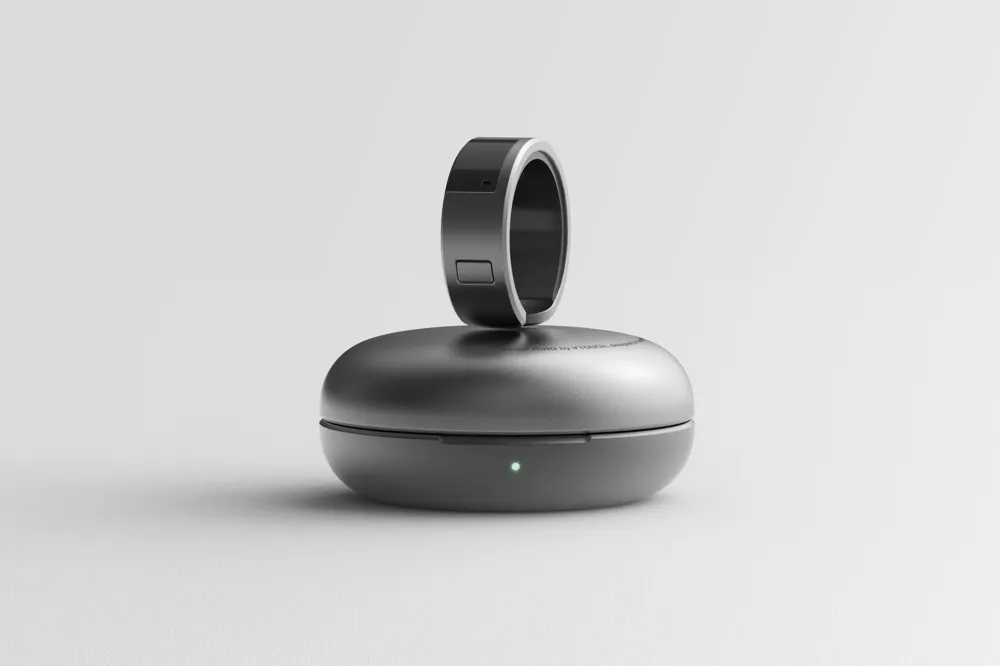
WIZPR RING (Vtouch): In the form of “works when you whisper,”changes the input UX of AI voice control.changes.
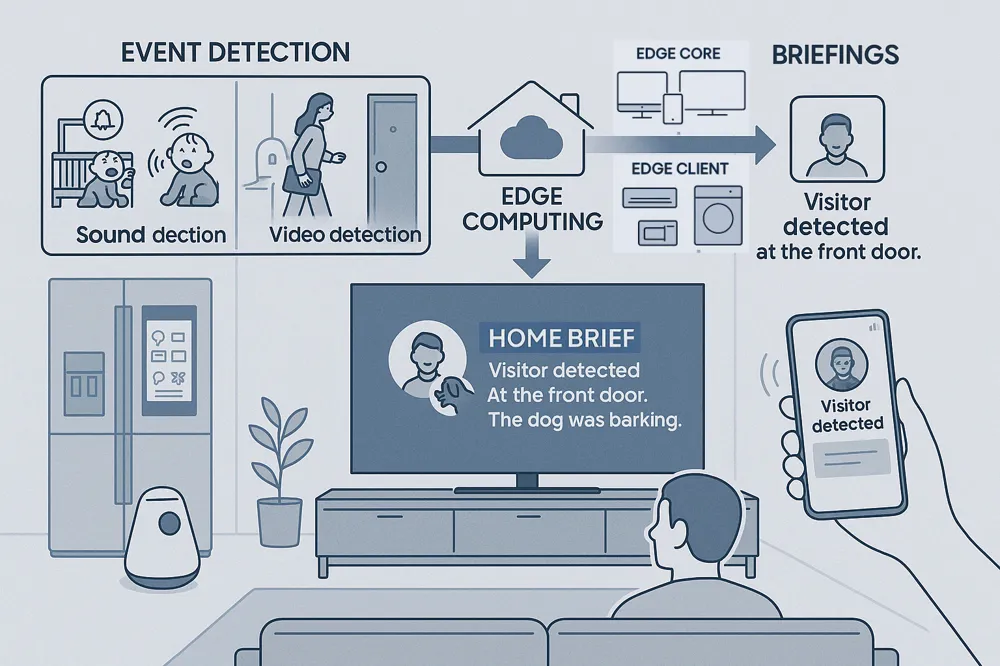
Samsung EdgeAware AI Home: is setting the direction for on-device/edge-based smart homes.
To summarize:
This year's CES AI is not a competition for “models that are good at conversation,” but
**has moved to an agent package (perception, execution, local computing, UX) that completes tasks in the real world.**
2) Hospitals Outside the Hospital: From 'Measurement' to 'Screening/Diagnosis'
Digital healthcare appears every year, but this year's trend is a little clearer.
Instead of “I’ll record it for you (tracking),”
“I’ll check it for you now (screening/diagnosis)”has come down to.
1. An era where you can carry around 'fatty liver screening' in 30 seconds
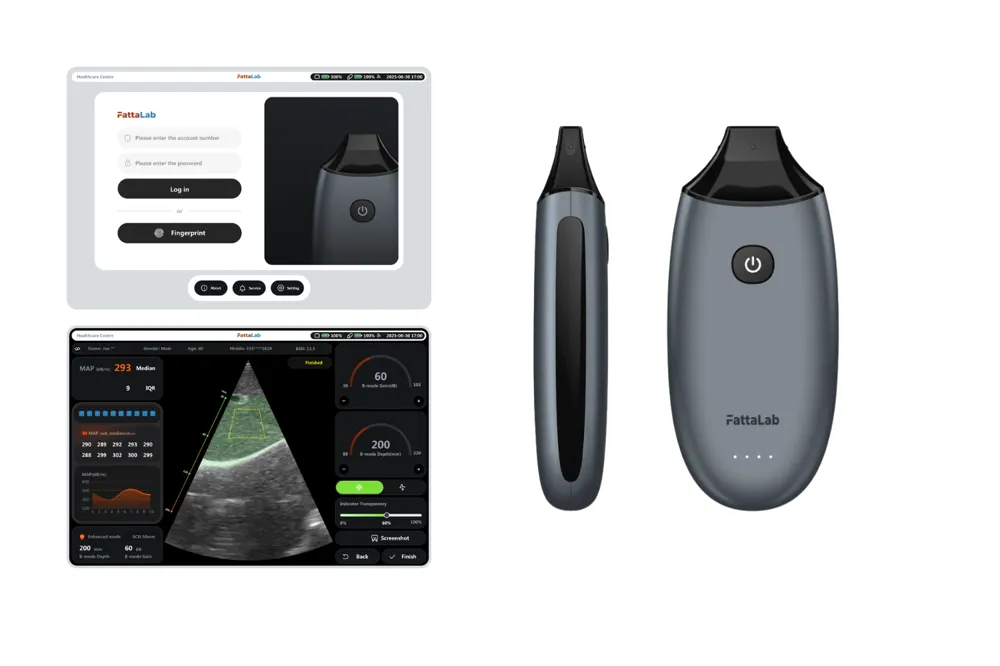
FattaLabhas a clear concept of screening for fatty liver with a portable device.
Part of the “tests that are only possible at a hospital”is compressed with devices + AIis a typical trend.
2. Approaching 'sarcopenia' with a single photo/simple shooting
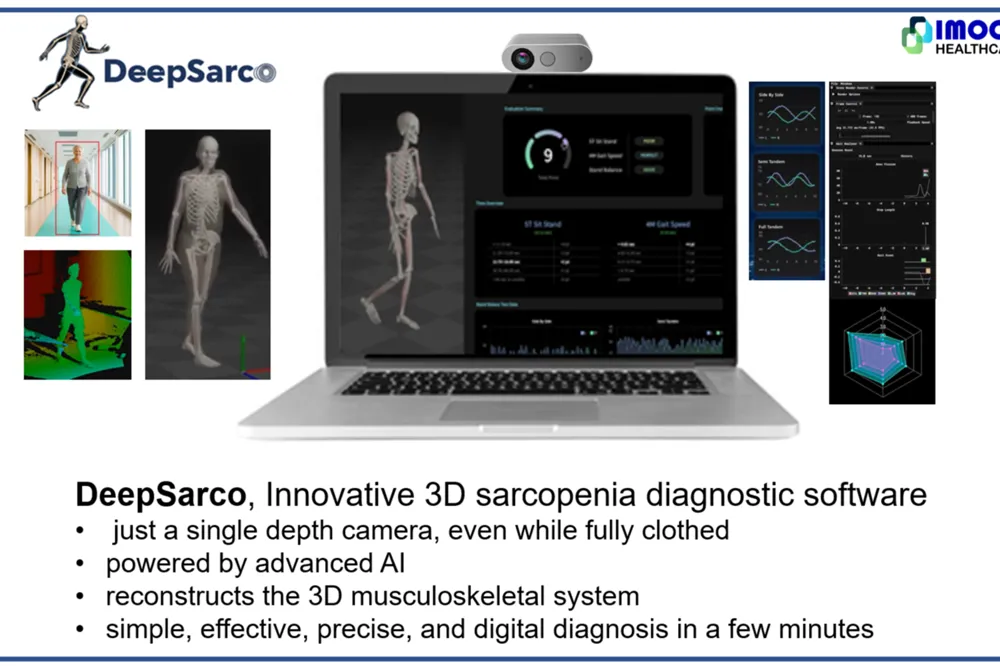
DeepSarcoevaluates the risk of sarcopenia (muscle loss)evaluates the risk of sarcopenia (muscle loss)presents a direction. It is a type that is directly related to the demand for 'quick checks at home' in an aging society.
3. 'On-device diagnosis' is becoming stronger due to regulations and privacy
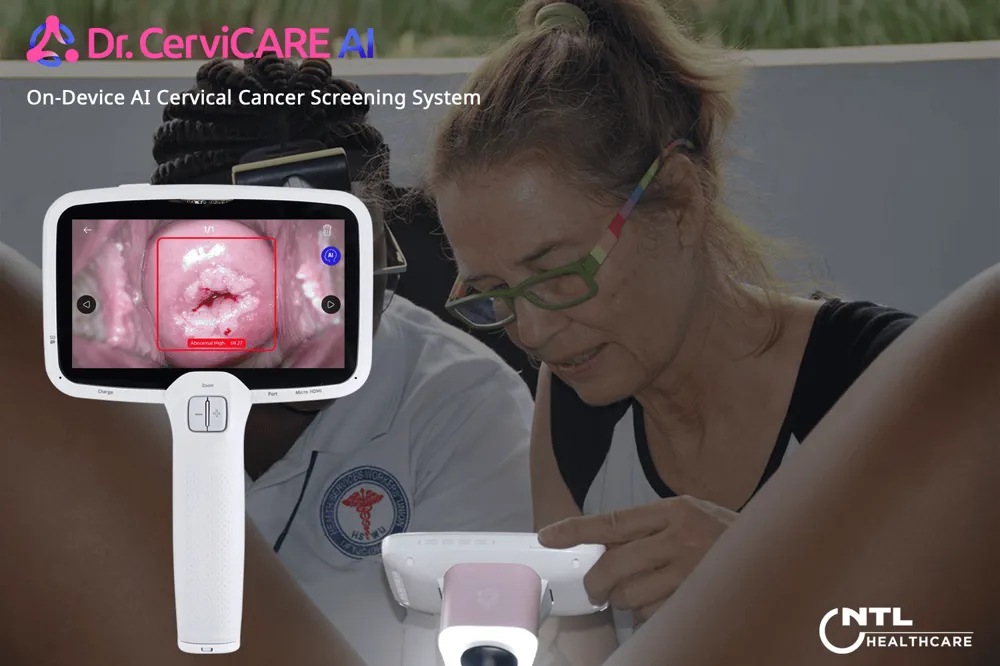
Dr.CerviCARE AIison-device AI-based cervical cancer screeningis at the forefront. This is not just a matter of performance, but also a choice linked todata sensitivity/accessibilitywhich is especially important in healthcare.
4. 'Patches' become the entrance to the hospital
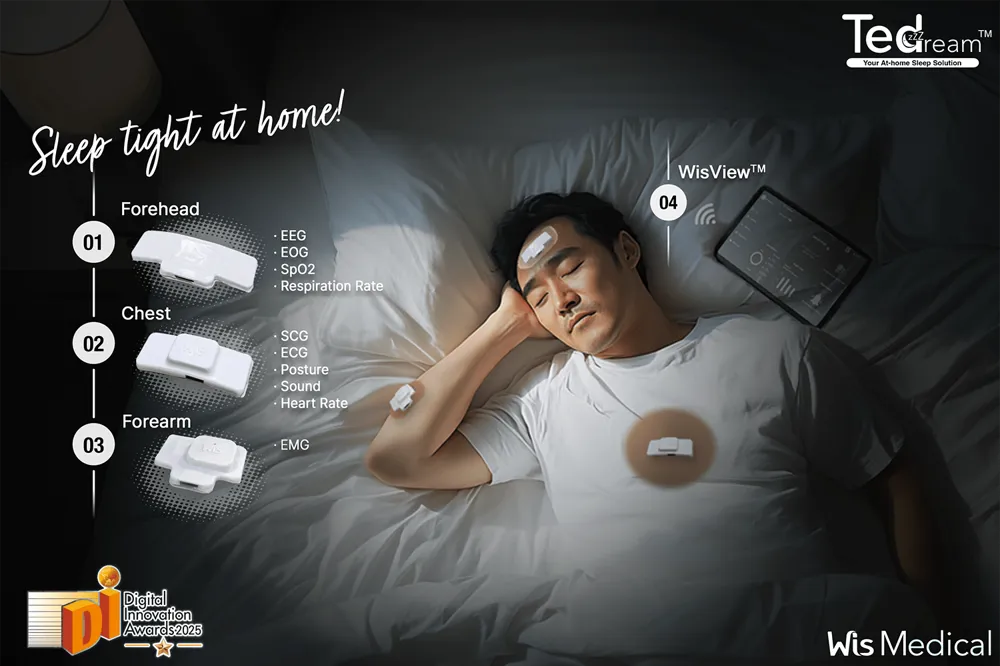
Tedreamis a patch-type approach thatdiagnoses sleep apneaby attaching it at home and sleeping.
5. Health/assistive technology where “operation” becomes “accessibility”
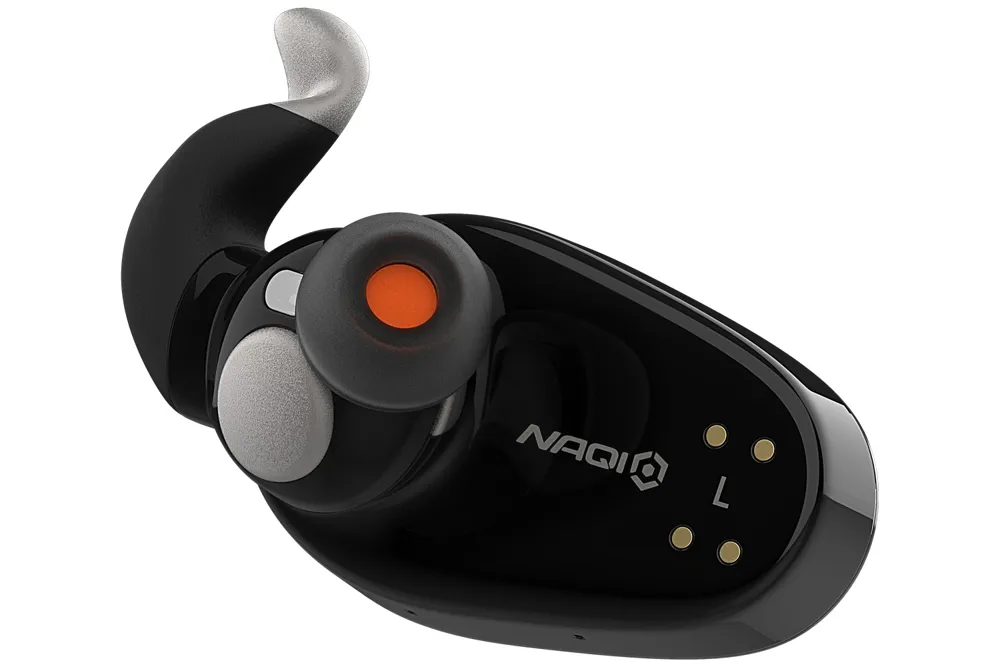
Naqi Neural Earbudsprovidespractical accessibility (interface)to users with quadriplegia, etc., by controlling devices with subtle facial muscle movements.
To summarize:
The mainstream of healthcare is moving from “wearable data” to
screening/early diagnosis/accessibility interface at home/in daily life.is moving to.
3) Expansion of Mobility: From 'Wheeled Things' to 'Things That Pierce Space'
If you only look at electric vehicles/autonomous driving every year, you'll quickly get tired of mobility.
There is another point that makes this year's list interesting.
The unit of innovation in mobility is not “cars,” but
**is expanding to 'movable spaces (sky, water, stairs, field)'.**
1. Sky + Water: Drones that float and land on water
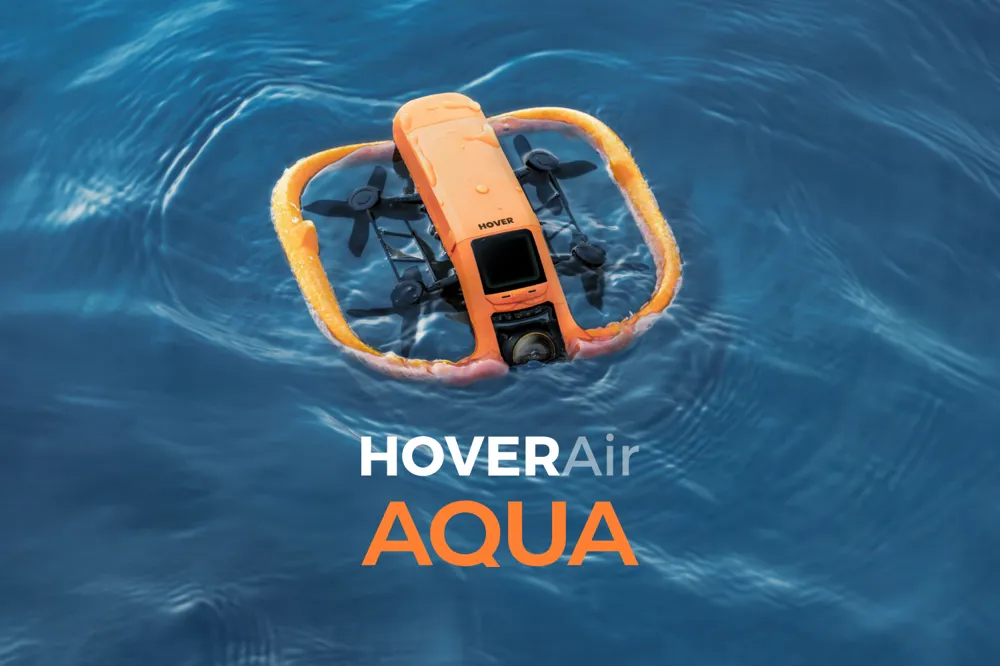
HOVERAir AQUAis a drone thattakes off and lands on waterbased on complete waterproofing. It is a symbolic product that expands the moving space from “sky” to “above water.”
2. Land + Stairs: Robot with wheels and legs combined
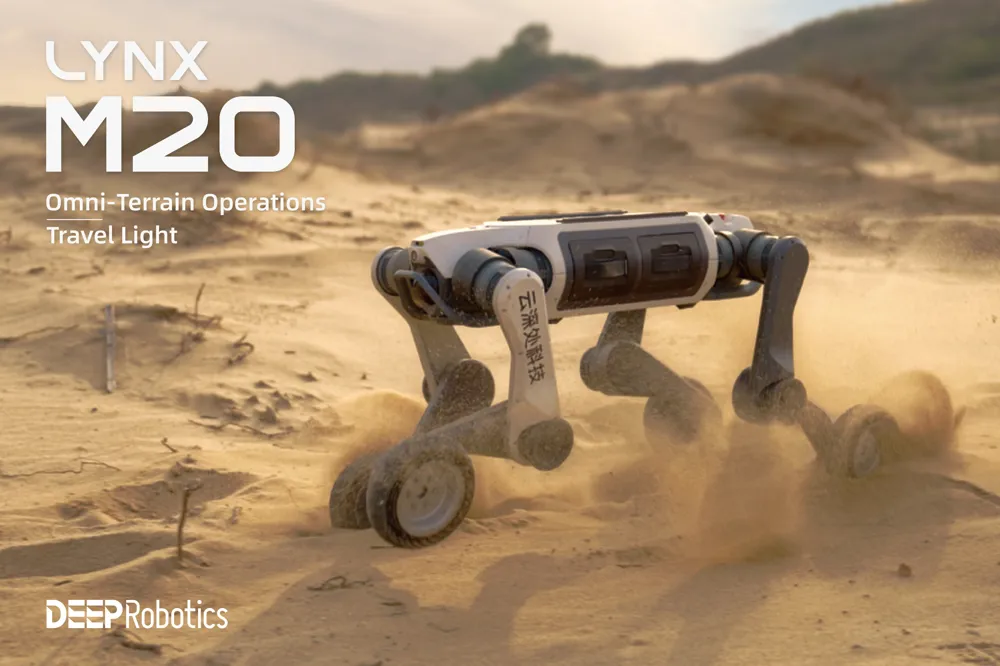
Deep Robotics ‘Lynx M20 Pro’is a type that crosses environments such as flat ground/stairs by combining wheels and legs. In other words, it directly deals with 'real terrain' such as indoors, fields, and stairs.
3. Personal Mobility: From “Mobility Assistance” to “Autonomous Mobility”
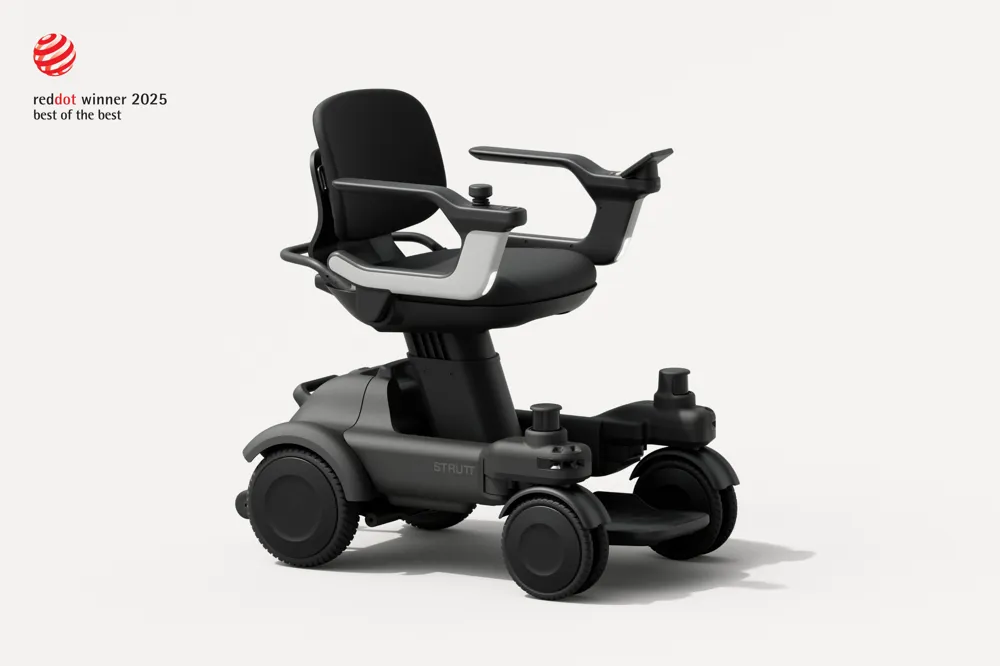
Strutt ev¹is apersonal smart wheelchairbased on autonomous driving technology. It is a point where aging/accessibility/indoor autonomy are tied together as one.
4. Water Performance/Operation: Water Drone
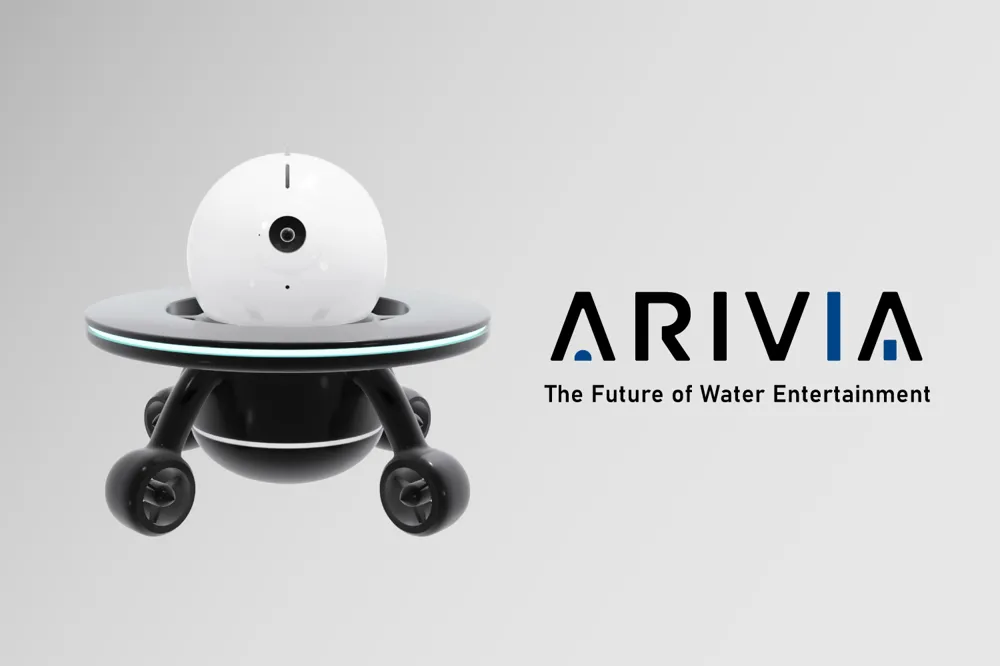
ARIVIAis afloating water droneconcept that connects to fountain shows and lighting performances on the water. Not only “mobility = transportation,” but alsooperation/entertainment/facilitiesis the direction it is expanding to.
To summarize:
This year's mobility keyword is not “car specs,” but
expansion including environmental adaptation (water, stairs, indoors) + personalization + operation.is.
4) Korean Companies' Rapid Growth: From 'Home Appliance Powerhouse' to 'Problem Solving Powerhouse'
It is said that Korean companies swept half of the Innovation Awards,
Here's a summary of noteworthy products.
Areas where Korean companies excel are
expanding from ‘pretty demos’ to ‘solving real-world problems.’
1. Safety/Infrastructure: Attempts to reduce electric vehicle anxiety with "technology"
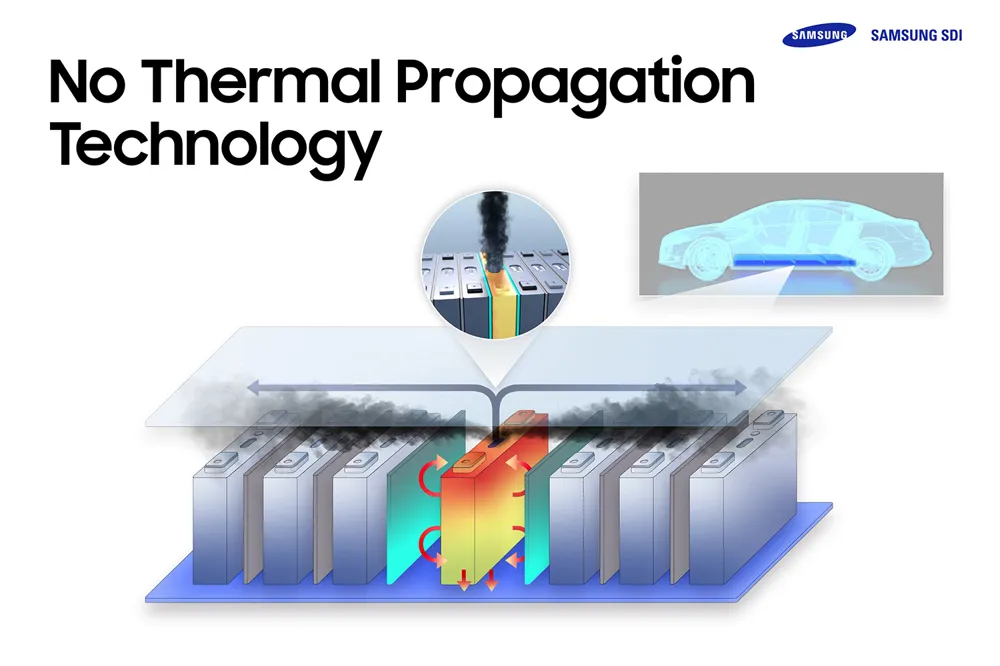
No Thermal Propagation Technology (SAMSUNG SDI): This is summarized as an integrated safety technology that “blocks and predicts at all levels” to prevent thermal runaway from propagating to modules/packs, even if it occurs in a battery. It's not flashy, but this is what the market wants.
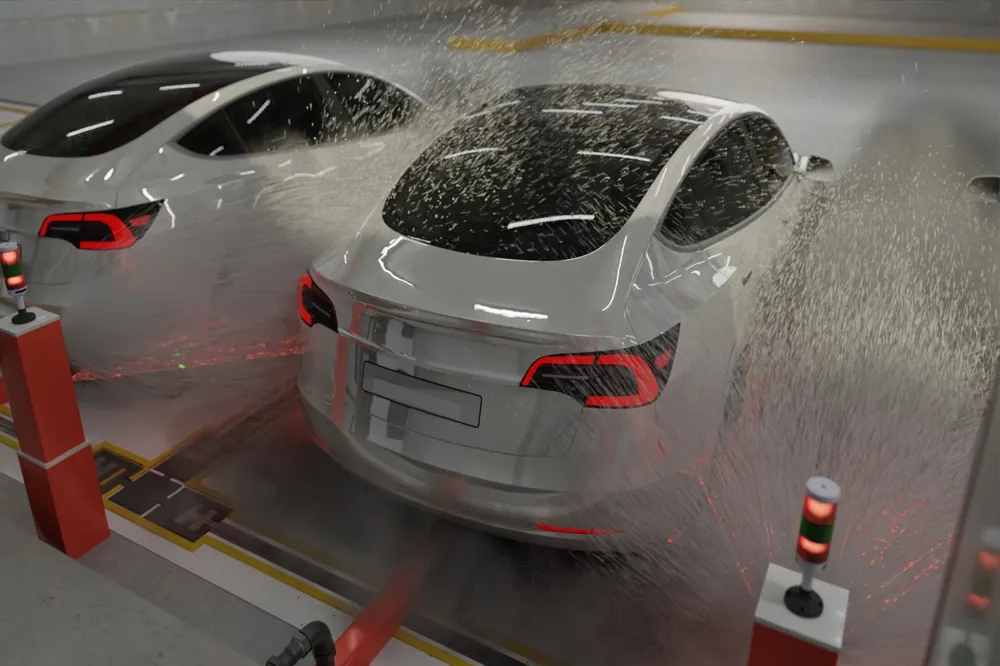
TK-UnderShield (THEKEEPER CO.,Ltd): A system that detects and immediately suppresses fire signs from the bottom of an electric vehicle.Underbody fire suppression system. This represents a shift from ‘post-accident response’ to ‘pre-accident prevention.’
2. Carbon/Operation: Seeing carbon footprint with just electrical data “without sensors”
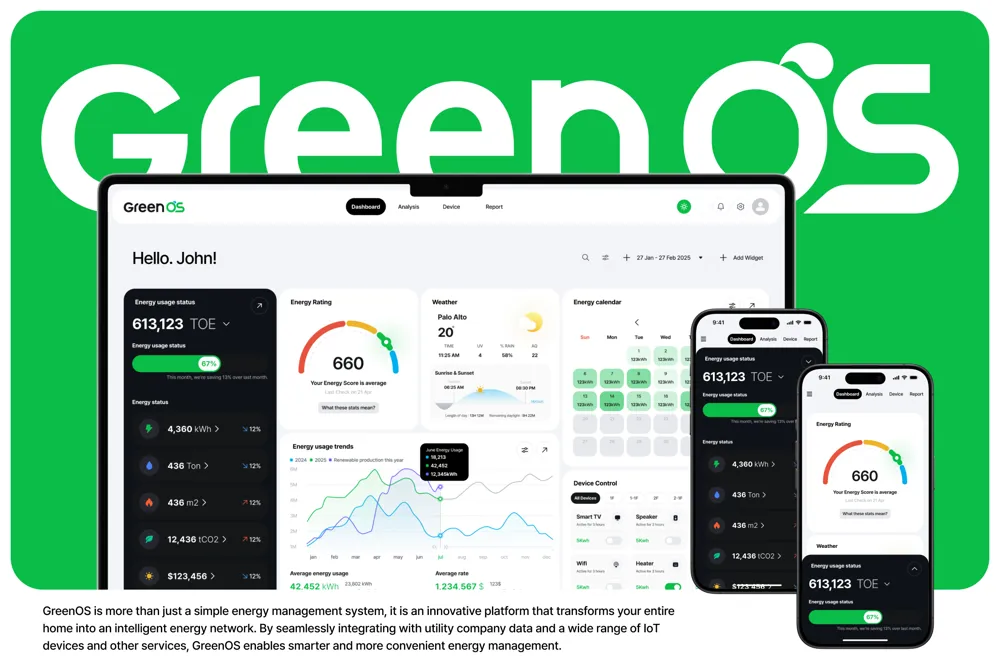
GreenOS (Korea Green Data): Managing carbon footprint with just electrical data without sensors,AI-based sensorless platform direction is presented. This type is easily connected to B2B/government projects/smart factories.
3. Robotics/On-site Automation: ‘Work robots’ instead of ‘cute robots’
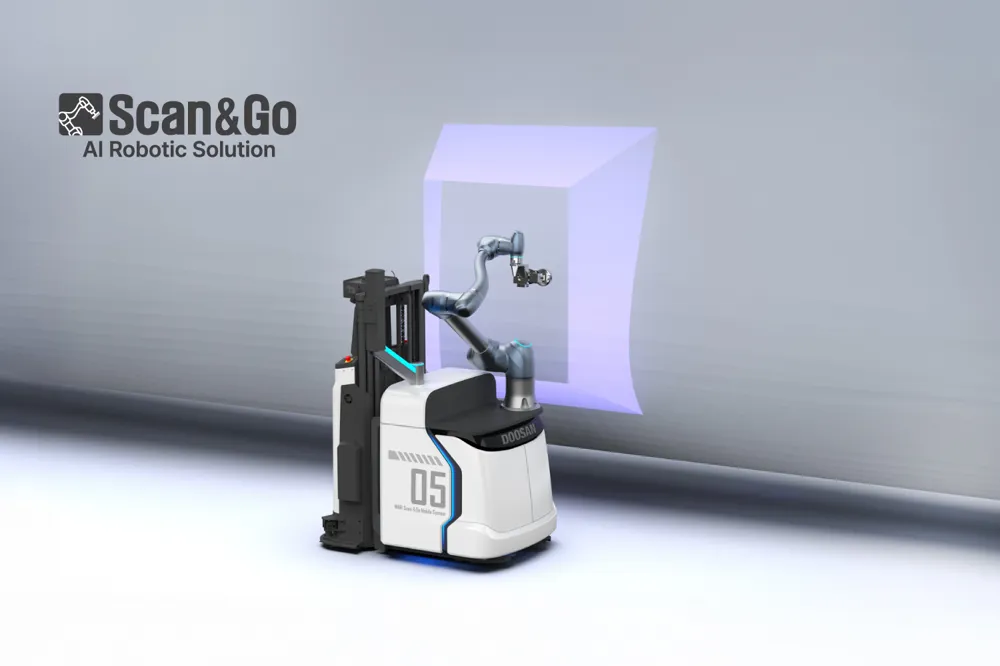
Scan&Go (Doosan Robotics): Organized as an AI-based autonomous mobile robot solution, incorporating on-site automation such asfield-oriented automationfor large structure operations.
4. Predictive Maintenance: Turning “before it breaks down” into money
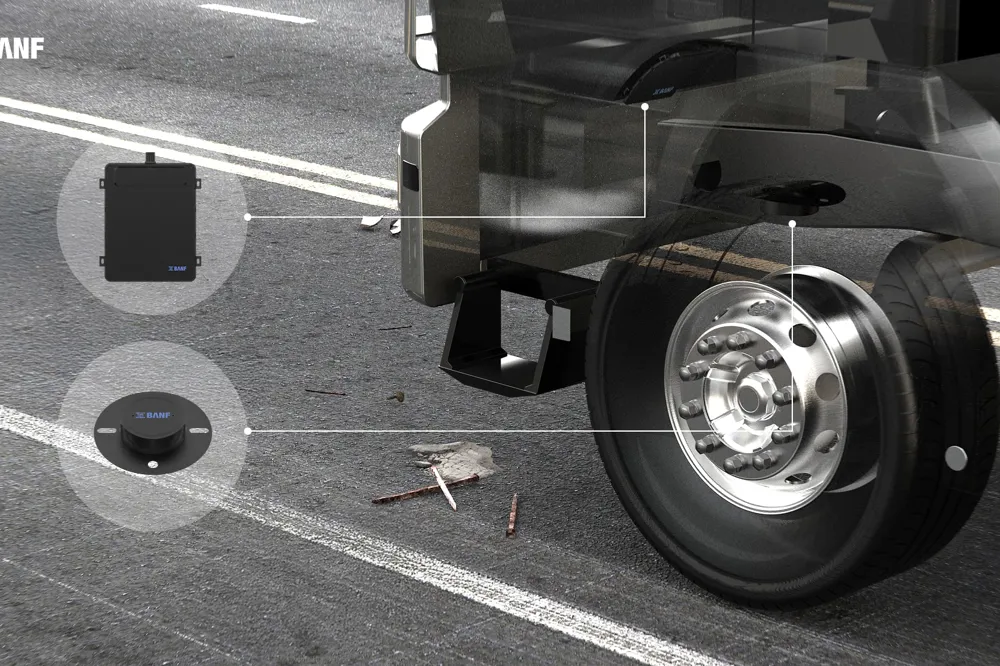
BANF TireSafe: This is a maintenance-oriented approach that uses AI to detect and predict tire bursts/leaks in advance. It may be less flashy at the exhibition, but it's the kind that immediately improves KPIs in industrial settings.
In summary:
The strength of Korean companies lies less in the “large corporation brand” itself,
but in expanding into ‘money-making problems’ like safety, carbon, on-site automation, and predictive maintenance.like safety, carbon, on-site automation, and predictive maintenance.
Bonus topic: “Invisible AI” was changing the UX
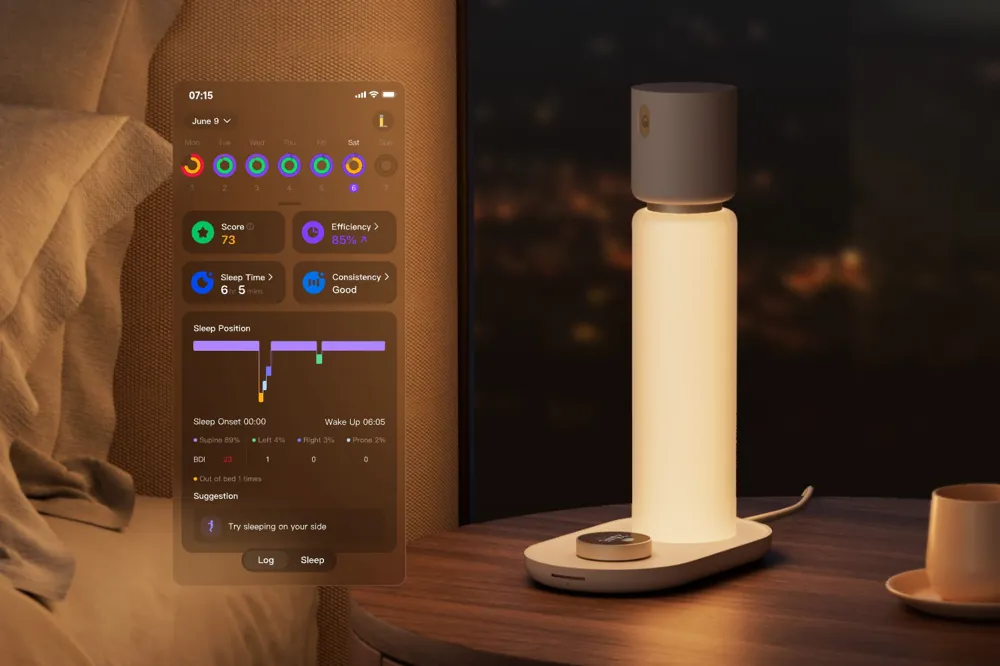
Sleepal AI Lamp: An approach that analyzes sleep with a radar sensor to adjust lighting. This is a direction that doesn't require wearing wearables (unconscious care).
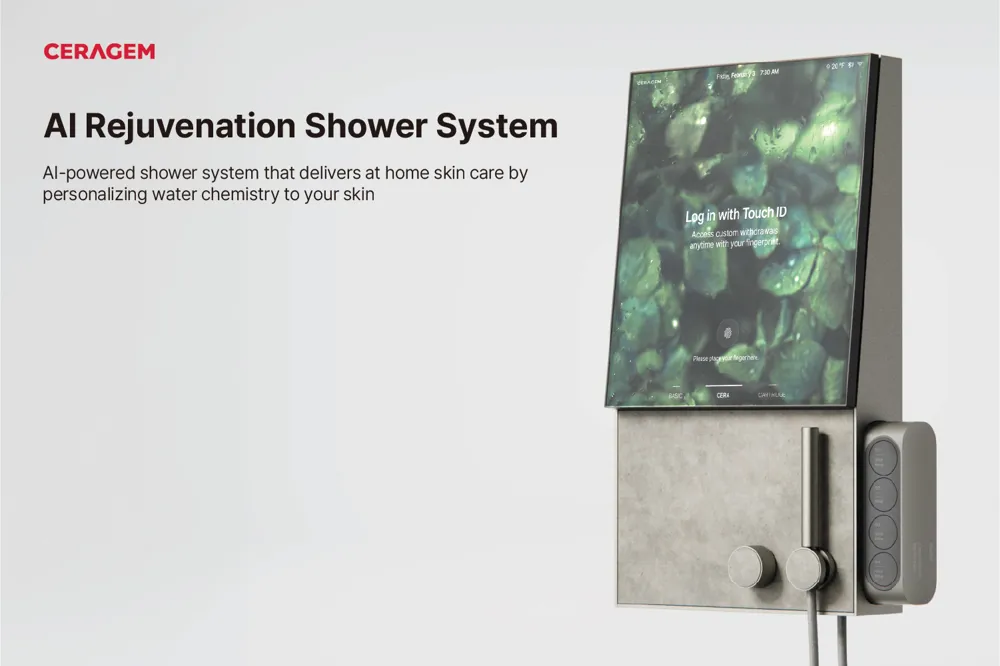
Ceragem AI Shower System: A concept that senses skin condition to adjust water temperature/quality is organized. AI is not just on the screen butenvironments like water/air/lighting.
These product groups don't create a “Wow!” at CES,
but after launch,they create repurchase, habit, and lock-in.That's why they're scarier.
Conclusion: CES 2026 was not ‘boring’ but ‘a year that needed a framework’
The reason this year's CES was bland is
because there was less to catch the eye when viewed in our familiar way (“top product”, “large form factor”).there was less to catch the eye when viewed in our familiar way (“top product”, “large form factor”).is because there was less to catch the eye when viewed in our familiar way (“top product”, “large form factor”).
However, if you read the 452 Innovation Awards list as ‘four axes,’ the message is clear.
AI isfrom conversationtoaction (agent),to
Healthcare isfrom recordingtoscreening/diagnosis coming into the home,to
Mobility isfrom cartomovement that expands space,to
Korean companies arefrom home appliancestosolving safety, carbon, and on-site problems.to.