An AI smart mirror that acts as a personalized beauty consultant – analyzes the user's skin condition and facial data to provide optimal makeup methods and skincare solutions on the mirror screen, and even supports virtual simulations.
HonoreeContent & Entertainment스마트 미러뷰티 테크개인 맞춤형 뷰티AI 뷰티 컨설팅피부 분석스마트 홈
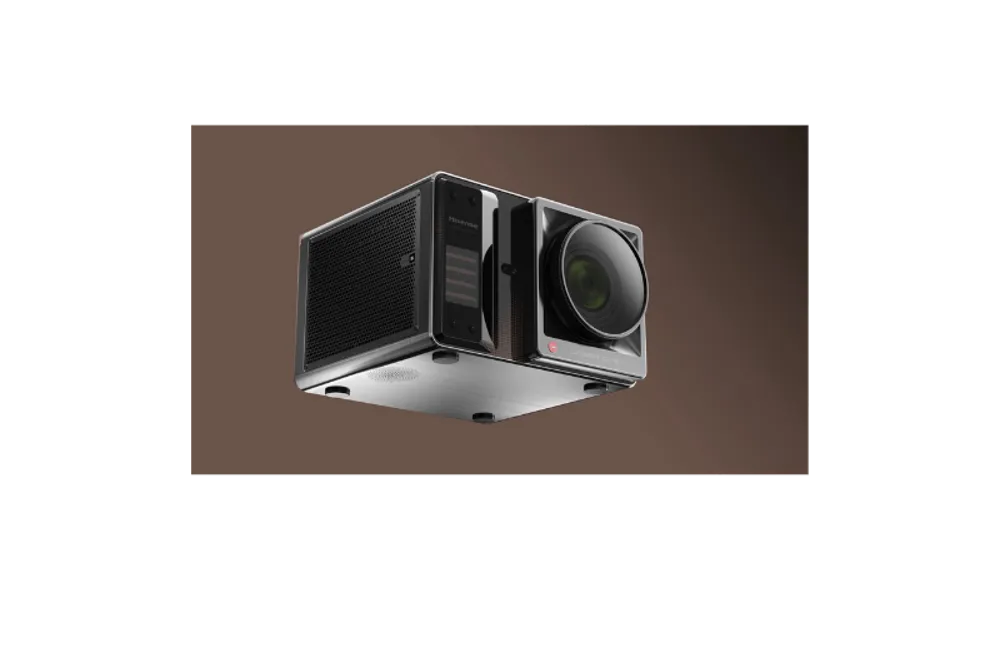
Hisense XR10
25
0
Hisense
One-Line Product Definition
Problem Definition
It is difficult for the average person to judge their skin condition or what makeup colors suit them, resulting in wasted time and money through trial and error. Professional skin diagnosis or makeup consultations are expensive and cumbersome. Applying makeup with mirrors that appear different depending on the lighting conditions can also lead to color imbalances when outdoors.
In addition, the decrease in in-store testing since COVID has increased the demand for accurate beauty advice even non-face-to-face. In short, there was a desire to have "my own beauty advisor easily at home...".
Key Differentiators
The Hisense XR10 Smart Mirror (concept) uses its built-in high-resolution camera and sensors to measure the user's skin tone, blemishes, wrinkles, oiliness, etc., and an AI algorithm analyzes this to derive individual problems (e.g., excessive oil in the T-zone, dark circles) [54].
Then, based on a large database (over 450,000 skin data), it suggests customized solutions – for example, recommending a moisturizing cream in the morning and a foundation color that matches the individual's skin tone when going out in the afternoon [54]. The mirror itself functions as a display, allowing for virtual makeup demonstrations, simulating various lipstick colors on the face, or previewing hairstyle changes [55]. Importantly, these functions are controlled non-contact via voice commands or gestures. The user can stand in front of the mirror and ask, "What's my skin condition today?" and the mirror will tell them the analysis results and recommended routine, and display an AR makeup tutorial if necessary [55].
While existing smart mirrors simply provide video calls or internet display functions, the XR10 is significantly differentiated by incorporating AI beauty expertise to provide truly useful advice. In addition, accuracy is enhanced through collaboration** between major electronics companies such as Samsung and K-beauty companies [56].
Key Adopters
In B2C, the main target is millennial/GenZ women who are interested in beauty. Those who want to practice makeup or take care of their skin at home can purchase it as a premium appliance.
In B2B, it can be introduced for customer consultation in beauty salons, cosmetics stores, and medispa, and can be used for demonstrations in department store cosmetics corners. However, it primarily appears to be a product for general households willing to replace their mirrors (especially for dressing rooms or vanities).
Scalability
This product can be continuously improved through software upgrades, and can expand its scope to include fashion coordination suggestions or health monitoring (e.g., detecting health signs through complexion).
In addition, by accumulating user data through cloud interworking, it is possible to provide personalized long-term tracking services, which opens up opportunities for expansion into a subscription model business. From a global perspective, market localization is also possible by partnering with cosmetics brands in each country to include local product recommendation data.
Technically, since it is camera-based analysis, there are not many regulatory issues if privacy concerns are well managed. It can also be linked to new businesses such as AR/VR metaverses, where you can practice makeup with a mirror avatar in a virtual space.
Judges' Evaluation
It was introduced as a leading example of the CES 2026 beauty tech trend and attracted the attention of visitors [57][58]. An industry journal commented that "the meeting of AI and mirrors has finally reached a practical stage," and highlighted the AI beauty mirror cases presented by Amorepacific and Samsung [56].
Regarding the accuracy of skin diagnosis, it was viewed positively, mentioning "securing reliability with 450,000 learning data" [59], and the virtual makeup demonstration function was mentioned as a technology that would be even more popular in the COVID era [55].
However, some raised questions about usability, such as "Will consumers really listen to advice in front of the mirror every day?" and the need to clarify the scope of AI advice (the possibility of being mistaken for medical diagnosis). Overall, positive metaphors such as "feeling like a makeup artist is in the house" and "a combination of beauty YouTube and a mirror" emerged, and it was very well received based on the showcase. Market validation depends on price and actual convenience, but it is attracting attention as a promising field of beauty tech.
Analyst Insights
⚠️ Impressive technology but market uncertainty – The personalization service shown by the AI beauty mirror is innovative, but considering consumer habit formation and price sensitivity, there are variables in popularization. Initially, the response will be good as an interesting premium device, but continuous demand creation remains to be seen.
The award list data is based on the official CES 2026 website, and detailed analysis content is produced by USLab.ai. For content modification requests or inquiries, please contact [email protected]. Free to use with source attribution (USLab.ai) (CC BY)
댓글 (0)
댓글을 불러오는 중...