Eco-friendly, low-power display for short-lifespan IoT devices such as smart packaging and diagnostic devices
HonoreekoSustainability & Energy Transition개인 맞춤형 디스플레이AI 기반 시력 분석e스포츠게이밍시력 보호 기술인지 능력 향상
루사이트
3
0
Luchrome
One-Line Product Definition
Problem Definition
Current electronic displays require many components and power, such as backlights and metal circuits, resulting in high costs and hazardous waste upon disposal.
In particular, using conventional LCDs or OLEDs in short-lifespan products like smart packaging and diagnostic devices results in high power consumption and difficulty in recycling. Existing e-ink or OLED methods require metal frames, backlights, and complex circuits, leading to significant environmental costs.
Key Differentiators
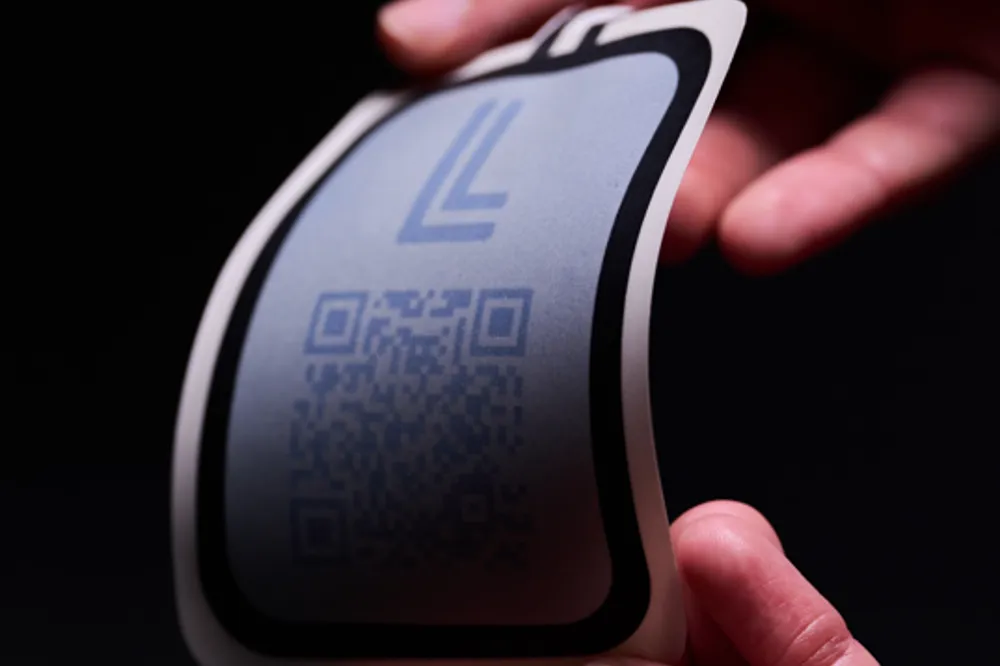
Lusight is a metal-free display made with a fully printed method. Using only carbon-based ink, it consumes 10 times less power than conventional displays due to the absence of a backlight, and the number of components is also significantly reduced.
This is an eco-friendly structure that is easy to recycle and suitable for short-lifespan smart packaging and diagnostic devices. The biggest differentiators compared to existing displays are "simplified structure" and "ultra-low power consumption."
Key Adopters
The main target market is expected to be the B2B market, including smart packaging companies, logistics/supply chain management companies, and IoT device manufacturers (especially sensor and asset tracking devices).
Demand is expected to be greater in the enterprise and public infrastructure sectors than in B2C (consumer) products.
Scalability
There are few restrictions on specific environments such as wavelength and temperature, and the size and shape can be adjusted as needed due to the modular structure.
It can be expanded to various industries such as agricultural sensors, medical diagnostic devices, and smart tags, but at this time, it is focused on small-scale IoT applications. Since materials and processes are not limited to metals, there is potential for expansion to the global electronics industry as a whole.
Judges' Evaluation
At CES, the eco-friendly aspect of "fully printed, metal-free display" was highly evaluated.
The technology readiness is at the prototype stage, and actual application cases are still in the early stages, but the market expectation is high due to the higher utility compared to existing displays. However, since the display itself is the goal, time and investment are required for mass production and commercialization, so there is little concern about overestimation. The technology is highly evaluated, but commercialization uncertainty (marketability) is pointed out as a challenge.
Analyst Insights
⚠️ Impressive technology but market uncertainty (eco-friendly and low-power features are strong, but commercialization and securing demand are key) (Demo video: Insert link here if related video is available)
The award list data is based on the official CES 2026 website, and detailed analysis content is produced by USLab.ai. For content modification requests or inquiries, please contact contact@uslab.ai. Free to use with source attribution (USLab.ai) (CC BY)
댓글 (0)
댓글을 불러오는 중...